
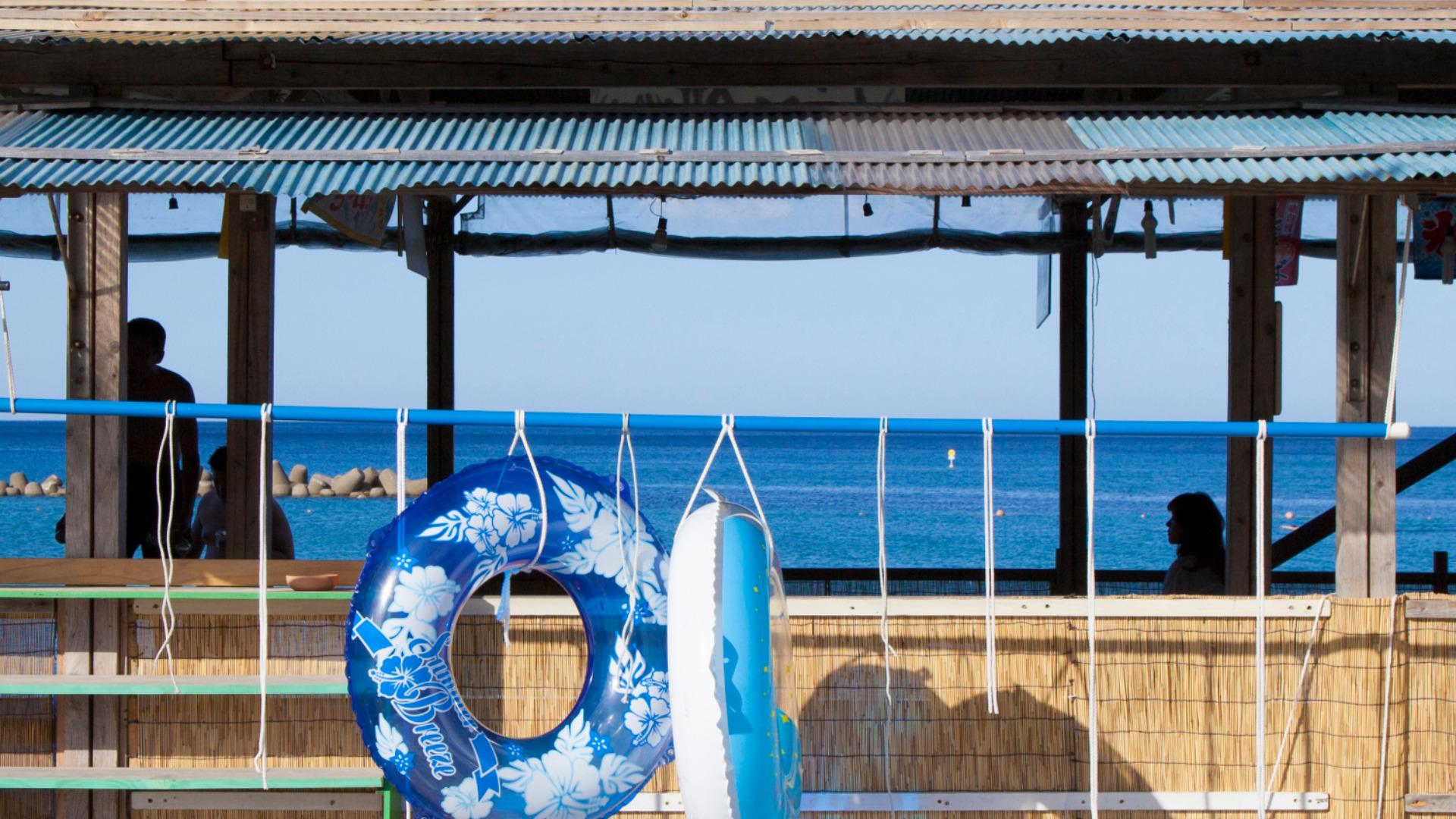
The article discusses the ongoing popularity and cultural significance of "Umi no Ie" (beach houses) in Shonan, a well-known summer hotspot in Japan. It goes into detail about the rising number of these beach establishments despite increasing coastal protection regulations. Locals and tourists find these beach houses to be an essential part of their summer break, offering a place to rest, eat, and socialize. The question being raised, however, is why these houses continue to pop up in Shonan, while other Japanese coastal towns follow stricter measures.
Beach houses, or "Umi no Ie," are an important part of Japanese summer culture, particularly in popular coastal areas like Shonan. Japanese people value the opportunity these houses provide for social interaction, relaxation, and shelter from the intense summer sun. This cultural element is more than a commercial establishment, it embeds itself in the collective Japanese summer experience, representing the desire for harmony and slow-paced living.
In comparison, the US and EU approach beachside businesses differently. Although beachfront establishments exist, there isn't such a unified cultural phenomenon as Japan's "Umi no Ie". The closest comparison might be the beach clubs in Spain or beachfront cafes in California. However, these locations lean more towards commercial and touristic venues than communal spaces.