
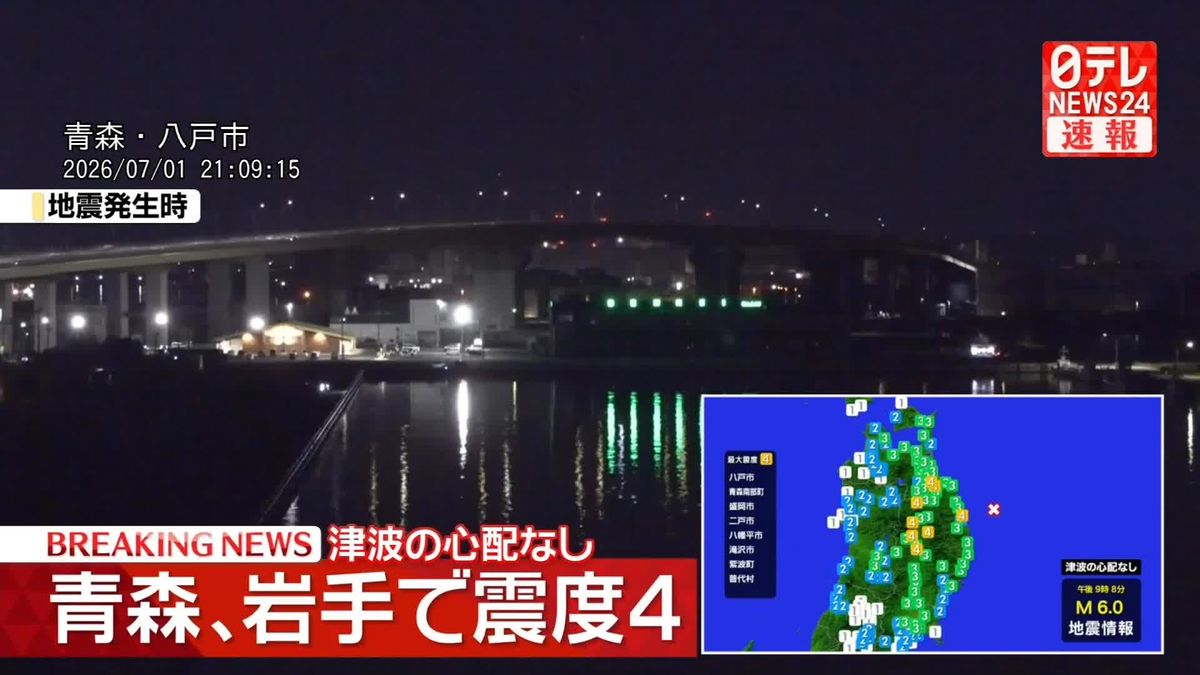
On an unspecified date, areas of Aomori and Iwate in Japan experienced a moderate earthquake of intensity 4 on the Japanese seismic scale. Despite the initial jolt, authorities quickly confirmed there was no tsunami threat, alleviating concerns. There were no immediate reports of significant injuries or damage. Residents, well-practiced in earthquake preparedness, responded calmly to the alert, adhering to necessary safety measures.
Earthquakes are a common occurrence in Japan and its citizens are usually well-prepared. The high frequency of earthquakes has led Japan to establish an efficient early-warning system and robust building standards. In this particular situation, what matters most to locals is the speed and reliability of information, specifically around potential tsunami alerts, which can save lives if a warning is issued in time.
Unlike Japan, earthquakes of such intensity are less frequent in the US and EU. However, coastal regions prone to seismic activity — like California in the US — do have tsunami warning systems. The major difference lies in societal readiness; the absence of frequent earthquakes in most of the US and EU means less built-in preparedness and potentially more panic when they occur.