
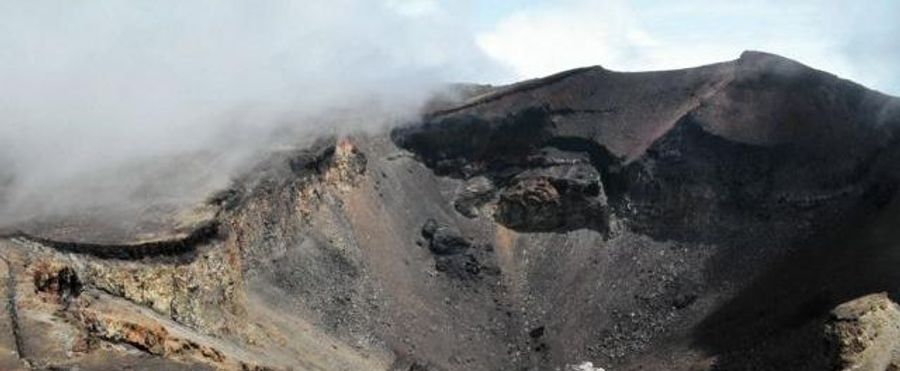
New research data reveals that 70% of tragic incidents on Mount Fuji occur above the altitude of 3,000 meters. These findings come after the analysis of numerous accidents, hopefully igniting a renewed emphasis on safety precautions for climbers attempting this challenging feat. As climbing season approaches, authorities are discussing additional measures to ensure hiker safety and reduce the number of accidents on Japan's iconic mountain.
Mount Fuji is a popular but dangerous destination for both Japanese natives and tourists seeking the thrill of accomplishment. Despite the risk, the mountain's cultural significance in Japan and the allure of the climb draw in throngs of climbers annually. Death or injury on the mountain is therefore an issue of public and state concern, involving questions of safety, prevention measures, and ultimately, of responsibility.
Like in the U.S. and the E.U, where accidents in popular yet dangerous recreational areas (like the Grand Canyon or the French Alps) trigger debates over safety measures, the situation in Mount Fuji seems similar. However, the sheer number of climbers on Mount Fuji, largely motivated by cultural factors, likely exacerbates the situation.