
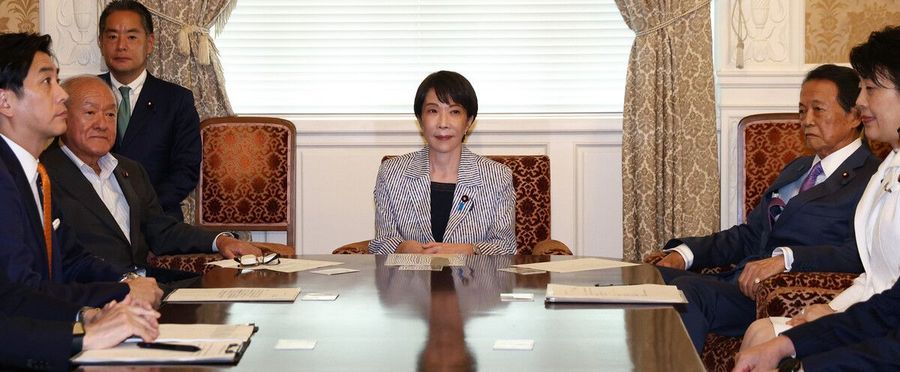
The Japanese government house, also known as Kantei, is considering an extension of the parliamentary session in light of temperature differences within the ruling coalition parties concerning key policy matters. The proposal is under scrutiny to address these differing interpretations of policy issues, although no explicit decisions have been concluded yet. This re-examination unfolds amidst growing debates about the depth and direction of the political reform in Japan.
In Japan, the extension of parliamentary sessions is often debated during times of political uncertainty or intense policy debate. Citizens often view such extensions as an indicator of a healthy democratic process, allowing for due diligence in policy considerations. However, it simultaneously alerts the public towards potential differences within the ruling coalition, suggesting an intricate decision-making process.
Much like the U.S. or EU, parliamentary sessions in Japan are essential to passing legislation; however, timing is more flexible in Japan, with the option to extend sessions when necessary. In the U.S., in contrast, legislative sessions have fixed dates and an extension would require a special session, typically indicating significant legislative or political issues at hand.