
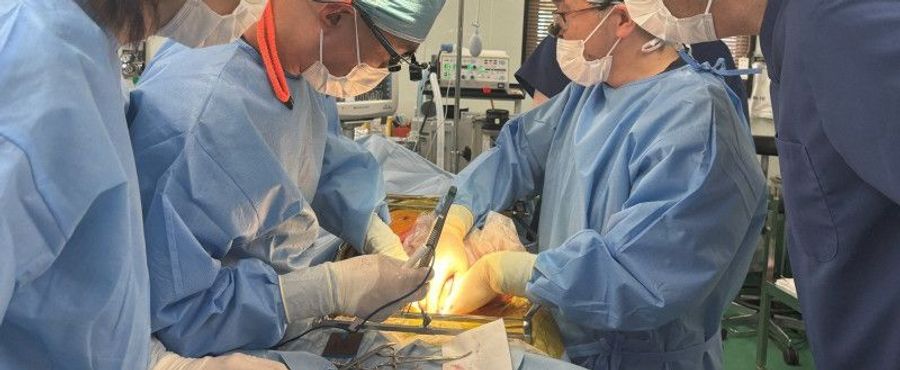
Japan is gearing towards a breakthrough in medical science with an innovative pig kidney transplant experiment. This procedure, according to sources, can potentially happen within the country by 2028. Scientists believe pig kidneys can be a viable solution to the shortage of human kidneys available for transplant. This revolutionary development is expected to change the landscape of organ transplantation, offering new hope to patients worldwide.
In Japan, organ donation rates are quite low due to cultural and belief systems, causing a shortage in available organs for transplantation. The successful development of pig kidney transplantation can address this crisis, and is seen as a groundbreaking solution in Japanese society. Japan's stance on genetic modification and related medical techniques is generally positive, as they see it as advancement in science and healthcare.
In the US and EU, animal-to-human organ transplantation is also being researched with encouraging results. However, like Japan, there are ongoing debates about the ethical implications of such procedures. Both regions similarly struggle with organ shortages and recognize the potential solution in xenotransplantation.