
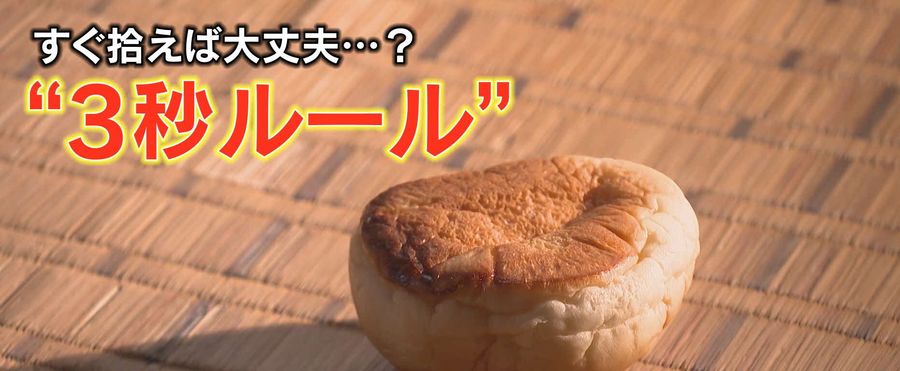
In a surprising unraveling of a widely accepted belief, Japanese researchers delve into the truth behind the infamous '3-second rule' — the notion that suggests dropped food is safe to eat if picked up within three seconds. The researchers examined various food samples and floor textiles to determine the extent of bacterial transfer within this brief timeframe. Preliminary findings indicate that while the '3-second rule' may not entirely prevent bacterial contamination, the risk is significantly reduced compared to longer contact periods.
The '3-second rule' is a societal belief prevalent in Japan and many other countries. The research might interest the Japanese public, particularly those conscious of hygiene and cleanliness, as Japan is a nation renowned for its attention to tidiness and sanitation. It's also relevant considering the nation's deep-set food culture, where wasted food is generally perceived negatively.
The '3-second rule' is not unique to Japan. It is a commonly held belief in the United States and many parts of Europe as well. However, the intensity of focus on cleanliness, hygiene, and food safety may vary. For instance, in Europe and the U.S., there is a strong emphasis on education around foodborne diseases, and this research could be seen as suitable backing to debunk the myth of the '3-second rule'.