
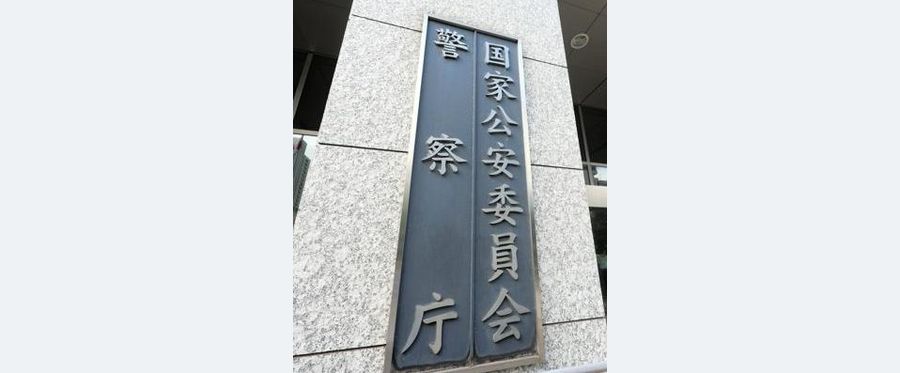
In Japan, the number of missing persons related to cognitive diseases like Alzheimer's totaled around 17,000 in the previous year. With an aging population and increasing prevalence of neurodegenerative conditions, the issue has become a significant social problem in recent years. Measures are continuously being undertaken to enhance protection and care for those suffering from such ailments, while also providing support for their families.
Japan has the oldest population in the world. Aging and health issues like dementia are therefore pressing societal concerns. Japan uses a nationwide alert system called 'Kosodate-Ame', which swiftly disseminates information when a dementia patient goes missing. The societal or legal values involved here are the right to safety and high-quality care for this vulnerable demographic.
The US and EU also contend with an aging population and increasing rates of Alzheimer's, but the scale in Japan is unmatched. Unlike Japan, not all of these countries have nationwide alert systems in place specifically for people with dementia who go missing. In the US, a similar concept exists in the form of a Silver Alert, but it is not uniformly applied across all states.