
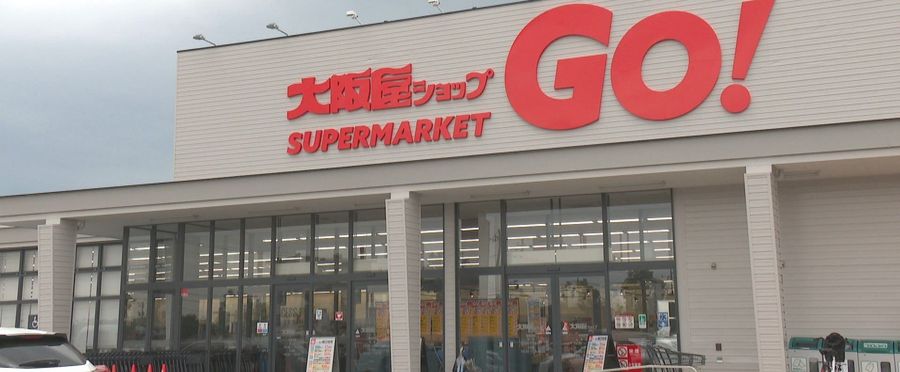
A trend of 'miniaturization' in Japanese supermarkets is sweeping across the nation. Driven by changing consumer behaviour, urbanization, and space constraints, larger supermarkets are scaling down and optimizing their store format. While the shift has been gradual, it has gained noticeable momentum, offering shoppers an experience tailored to their fast-paced, convenience-centered lifestyles. This trend, while presenting challenges to the industry, also offers businesses an opportunity to adopt new models better suited to local demands.
In Japan, space is at a premium, so the move towards smaller supermarkets is highly pragmatic. Besides, Japan's rapidly aging society and preference for daily grocery shopping lend themselves well to the concept of smaller, more accessible supermarkets. Japanese consumers appreciate stores close to residential areas that cater to immediate needs rather than large weekly shops. The trend mirrors an evolving consumer lifestyle where proximity and quick services are prioritized.
In countries like the U.S and the E.U, supermarkets are typically large, often located in suburban geographies requiring travel. Online shopping is also more prevalent, replacing physical stores for some consumers. However, the convenience-driven culture in these markets gives rise to delivery apps and online platforms, parallel to the 'miniaturization' trend in Japan.