
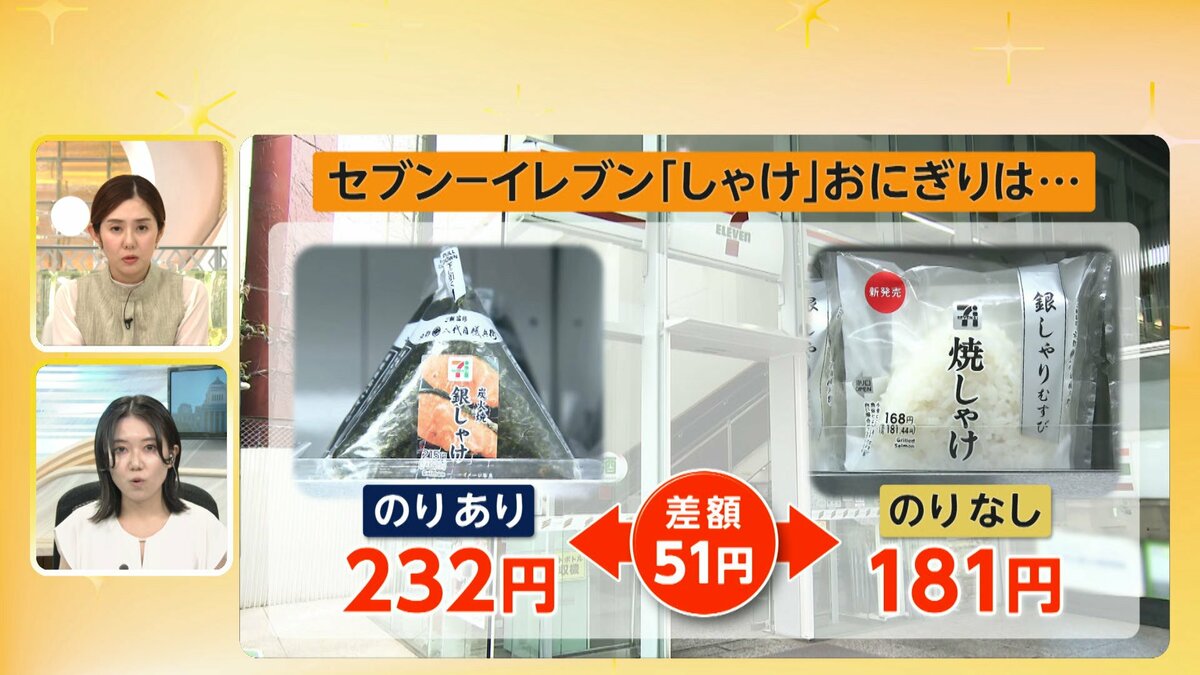
A new onigiri trend has been observed in Japan, with an increasing number of customers opting for sushi rice balls without the traditional seaweed wrapper. The price point for this "Seaweed-less Onigiri" is conspicuously lower by 51 yen, making it an economically appealing option for consumers. The demand surge reportedly initiated by a few stores, has now widened across numerous stores in Japan.
Onigiri, or rice balls, are a staple in Japanese cuisine often consumed as easy on-the-go meals. The shift from seaweed-wrapped to seaweed-less onigiri signifies not only a change in consumer taste, but could potentially affect the seaweed industry which is integral to Japanese food culture. Economically, the 51 yen price difference is significant in a society known for its thriftiness and value for money.
Much like the advent of lettuce wraps in the place of bread in the U.S., the seaweed-less onigiri trend in Japan denotes a change in traditional food consumption patterns. While changing dietary preferences could result in transformation of related industries, such trends are typically transient in nature.