
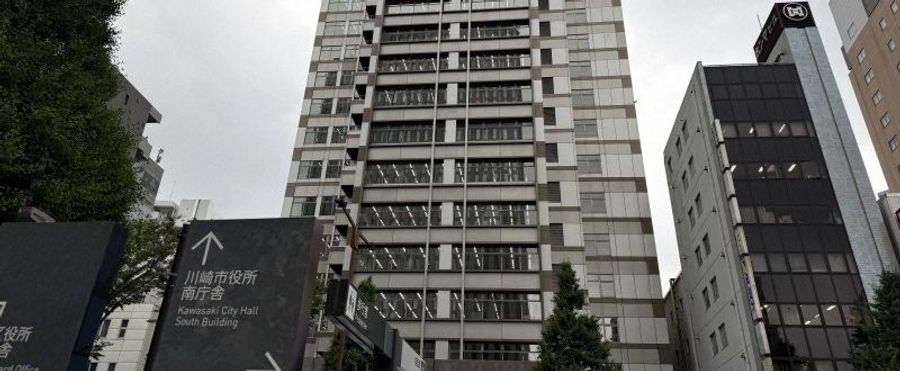
Two municipal schools in Kawasaki City, Japan, have recently introduced health check-ups where student's upper halves are exposed. This new policy aims to improve the comprehensiveness of routine health screenings. The change has generated significant discussion regarding the balance between the health benefits and potential discomfort students may feel.
In Japan, where public health and education are major societal pillars, such initiatives often stir significant interest. Schools are seen as custodians of children's wellbeing, and health checks are part of an integrated care system. However, traditions and social norms around modesty and personal comfort also play a significant role, making this a topic of national interest, policymakers and educators work to balance well-being and respect for personal boundaries.
Unlike in Japan, schools in the US and EU typically don’t involve themselves as directly in the physical health screenings of students. Screenings are generally left to healthcare professionals, and any school-based screenings would likely focus on issues like vision or hearing, rather than more invasive checks.