
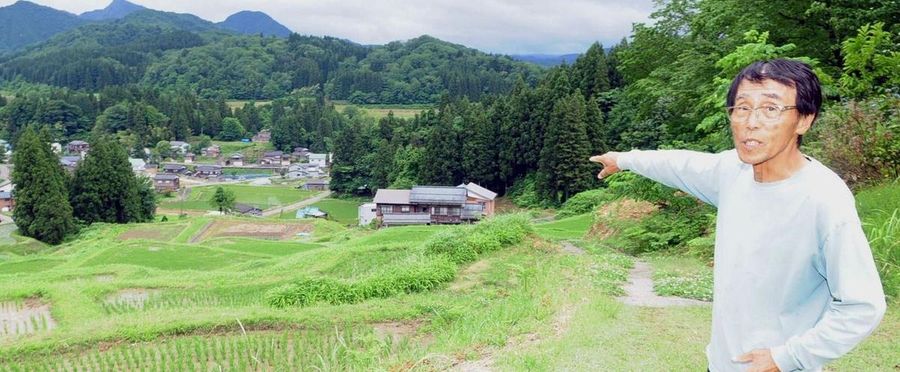
Farmers in Japan's hundred-selection terraced paddy fields, traditionally known for their resilience, are choosing to abandon cultivation due to economic strain. Despite being an important symbol of Japan's rural culture and a key contributor to local economies, these paddies are facing an unprecedented crisis. The exact reasons behind this trend are yet to be specified, but it often relates to socio-economic factors, such as aging population and declining profitability in the farming industry.
In Japan, the easy path of farm abandonment is alarming, notably for the sake of food security and the preservation of the cultural landscape. Prime terraced rice fields being left bare indicates that agricultural traditions are gradually breaking down, posing threats to both the economy and the nation's self-sustainability. There is also the consideration of Japan's unique legal system that protects farmland, making this news uplifting for urban developers but disheartening for traditional agriculturalists.
Similar issues can be observed in the US and EU, where farmland abandonment is a result of the economic hardships experienced by family farmers and the decreasing interest in farming among younger generations. However, Japan's scenario is particularly critical due to the country's high dependency on food imports.