
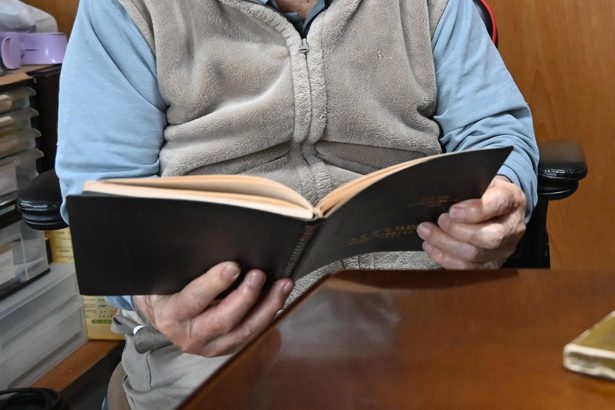
A former Japanese soldier has released a personal diary detailing civilian massacres during the Battle of Okinawa in World War II. The firsthand account, providing previously undisclosed information about the scale and brutality of civilian fatalities, is causing a stir as it contradicts longstanding official narratives. This unveiling comes amid growing discourse on Japan's post-war responsibility and historical memory.
Japan's understanding of its wartime past is a contentious issue, often sparking political controversies and social debates. The people care deeply about recognizing past mistakes and ensuring accurate historical education for the younger generation. War crimes, particularly those involving civilians, contradict the pacifist and humanitarian principles upheld by Japanese society, making these revelations particularly impactful.
In the U.S. and EU, similar situations often trigger public demands for investigations, historical truth recognition, and social healing. There is a strong emphasis on thorough education about country's histories, including painful pasts, to prevent future atrocities.