
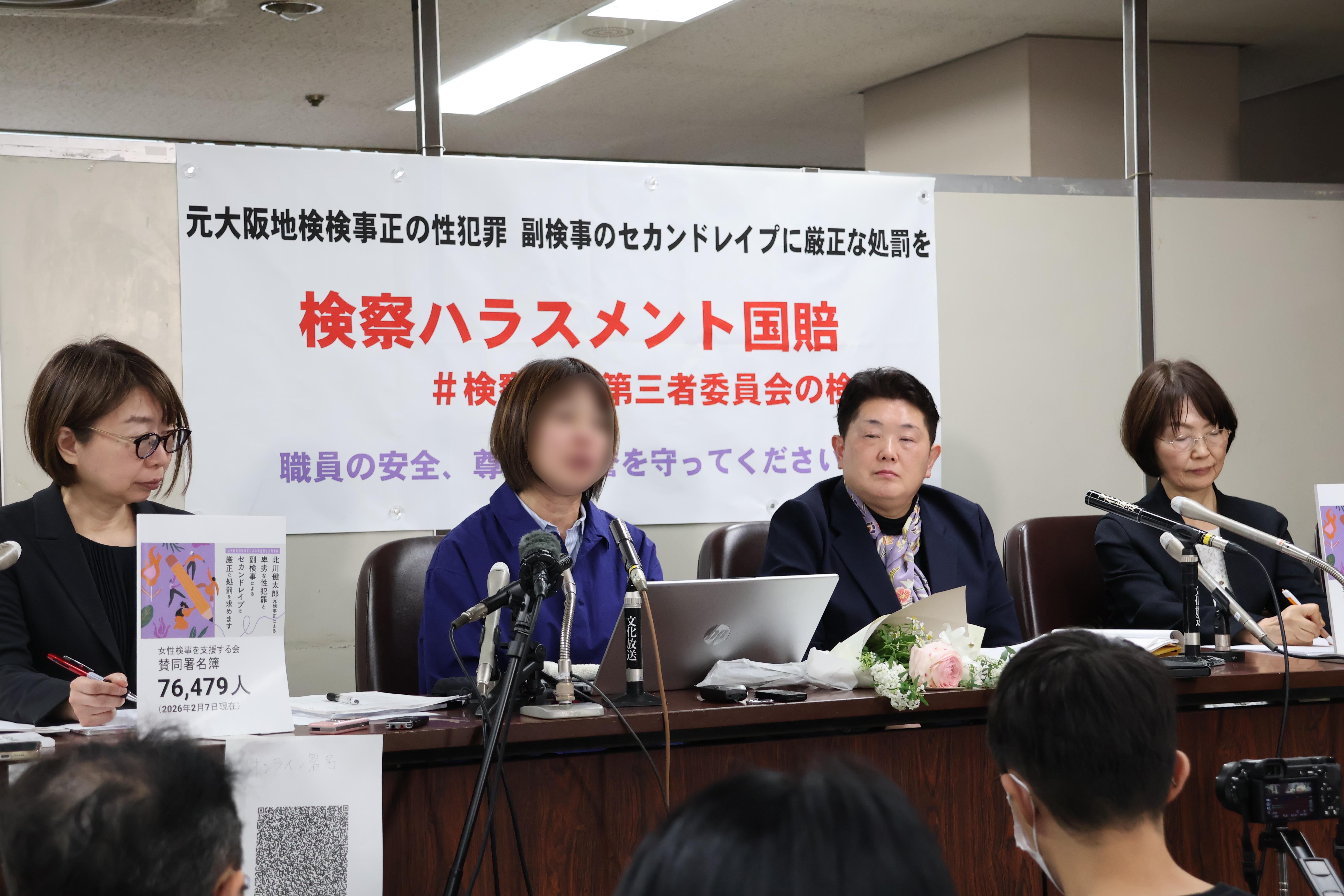
A prominent Japanese prosecutor is receiving increasing attention due to the exposure of secondary victimization faced by sexual assault survivors. The prosecutor herself had previously reported being a victim of sexual harassment, an incident that rapidly gained public attention. Secondary victimization refers to the re-traumatization of the assault victims due to insensitive or blame-oriented questioning, a societal concern often overlooked in Japan. This recognition of secondary victimization is seen as a pioneering move towards much-needed improvements in the understanding and handling of sexual harassment cases in the country.
In Japan, sexual harassment cases often don't stimulate significant outcry due to the societal norms and taboos surrounding the subject. In recent years, however, the media and various movements have been attempting to dismantle these norms. This case is significant as it combines the influence of a high-profile figure and sensitive subject matter to bring to light the ignored issue of secondary victimization, suggesting an emerging shift in the societal understanding and legal handling of sexual harassment in Japan.
In the US and EU, much effort has been made to acknowledge and tackle secondary victimization in sexual harassment and assault cases, with victim support movements like #MeToo gaining widespread momentum. However, actual implementation of safeguards against secondary victimization often depends on the judicial system's understanding and sensitivity, which can still vary widely among different jurisdictions, similar to Japan.