
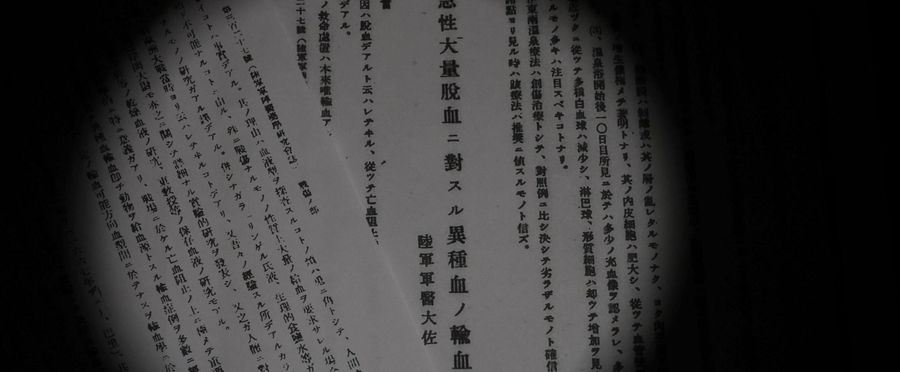
Recent findings suggest that experiments may have been conducted during the Sino-Japanese War which involved transfusing animal blood into humans. Japanese historians uncovered documents that point towards such an occurrence, however, the full context and outcomes of these events remain largely unknown. As investigations continue, so does the interest and debate within both the scientific and historical communities.
This news has sparked significant discourse in Japan, primarily due to the ethical implications of such experiments and the impact on Japan's image during the wartime era. It also renews discussions on the country's relationship with China in the past and present. The news is seen as another opportunity to learn and understand historical events, as well as express remorse for any harm caused.
In the US or the EU, experiments of this nature, particularly if conducted during wars, also raise ethical and human rights concerns. It emphasizes the importance of full transparency, research ethics, and historical accountability. Experiments needing informed consent and causing no harm to the subjects is a global norm now, which was not followed in this suspected case.