
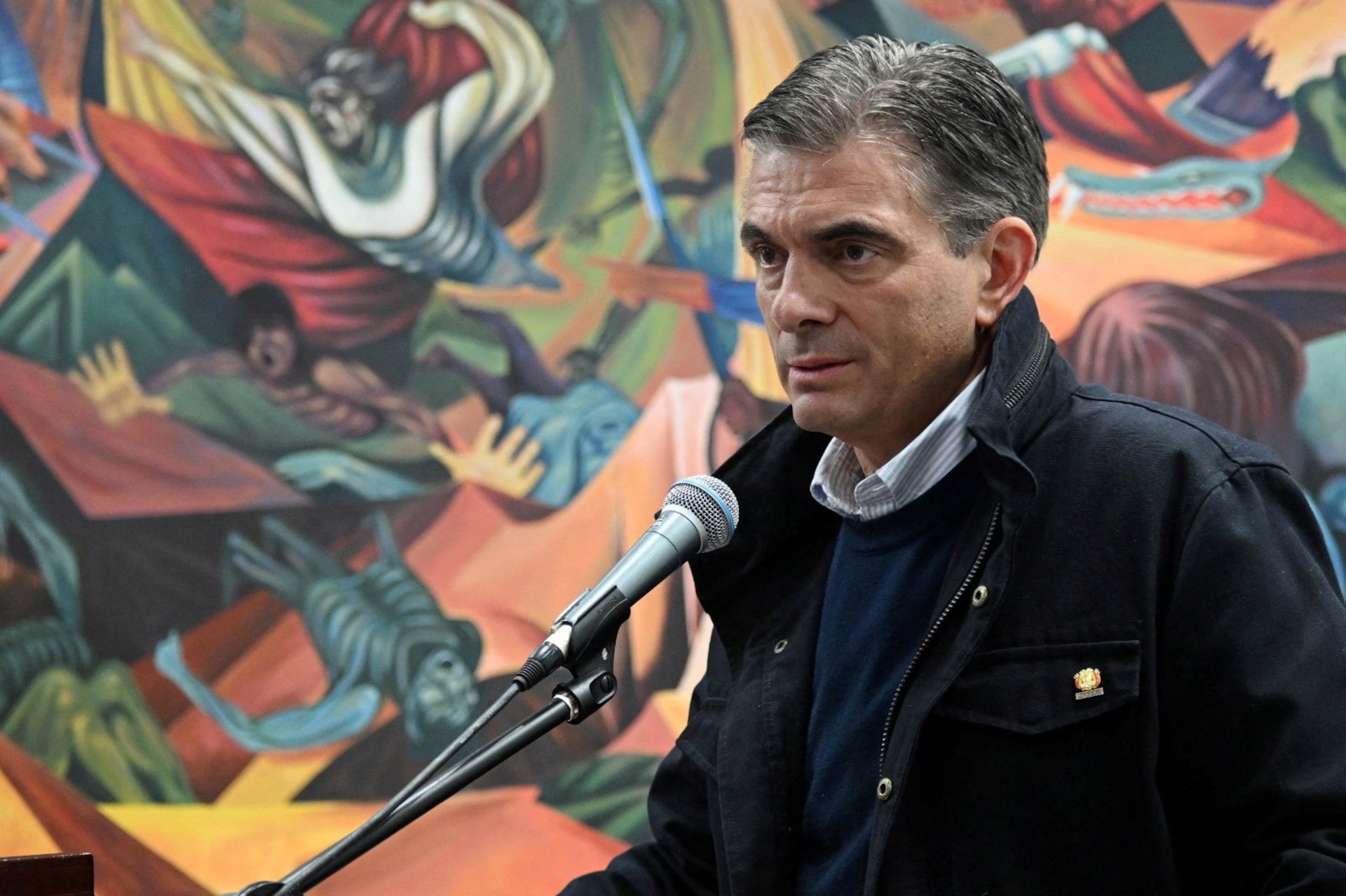
Japan's media is reporting on the Bolivia's announcement of a state of emergency due to severe economic turmoil, with specialists voicing concerns over its potential ripple effects on the global market. The declaration comes in the wake of a socioeconomic crisis, marked by sharp inflation, plummeting currency valuation and civil unrest. International entities are closely monitoring the situation, as it poses a direct threat to Bolivia's political stability and the global commodity market.
Japanese businesses and investors are showing concern over this situation due to Japan's trade ties with Bolivia, primarily in the natural resource sector. Japan relies on Bolivia for key resources for its tech industry, so any economic instability in Bolivia directly impacts Japan. Additionally, the Japanese public is generally sensitive to global economic issues, given the country’s leading role in the world economy.
In the US and EU, such economic crises in other countries are also closely watched and can lead to aid or investment strategies to mitigate potential negative impacts. Such news would typically provoke debate on foreign aid policies, domestic resource dependence, and international economic alliances.