
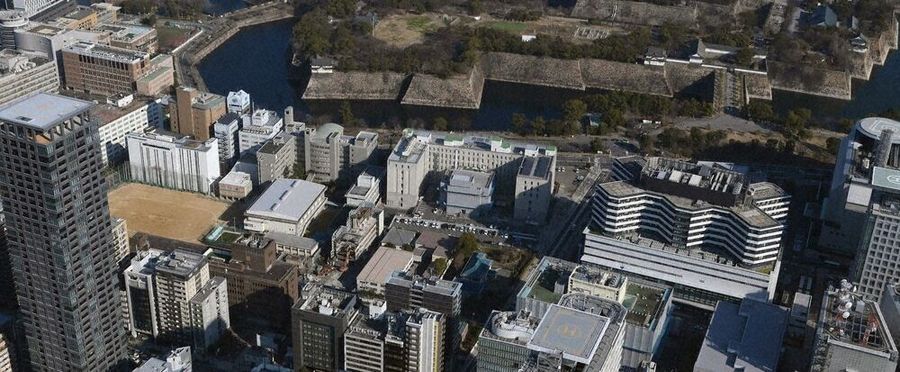
The governing Liberal Democratic Party in Japan is contemplating amendments to the controversial "Secondary Capital" bill. This legislation proposes the establishment of a secondary capital city to ease congestion and overcrowding in Tokyo. The revisions reflect the party's desire to address public criticisms and concerns related to urban planning and decentralized governance.
In Japan, the concentration of both population and administrative functions in Tokyo raises issues such as intense congestion, high cost of living, and vulnerability to disasters. Many Japanese citizens have voiced concerns about the current urban model, placing pressure on political entities to take action. The proposal for a secondary city aims to alleviate some of these issues, and its revision signifies an intent to greater cater to public demand.
In the US or EU, discussions about decentralization typically revolve around increased local autonomy rather than creating entirely new centers of administration. Their approach largely consists of devolving powers from central government to regional or municipal authorities. This proposed Japanese model of forming a secondary capital is quite unique, as it encapsulates elements of both decentralization and urban development.