
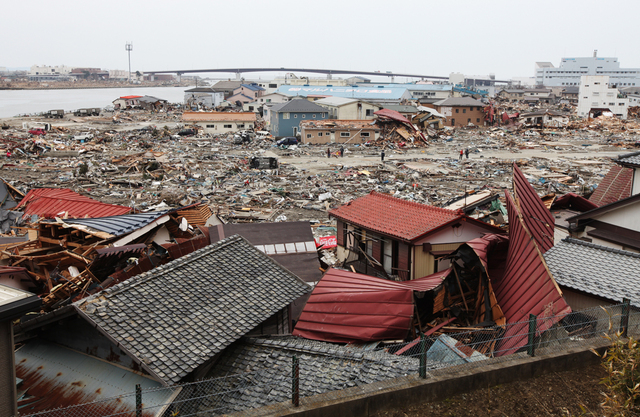
The 3.11 earthquake, one of the most powerful ever recorded in Japan, has shifted the country's archipelago eastward. This significant geological shift has drawn attention from global experts, adding new depths of understanding to Japan's dynamic tectonic landscape. Detailed studies are being conducted to understand the extent of this shift and the potential consequences it may hold for the country.
Japan experiences frequent earthquakes due to its location along the Pacific "Ring of Fire." Post-disaster response and preparedness are major issues of concern for the public and the government. News about these seismic shifts and their impact on infrastructure, livelihoods, and safety protocols are highly scrutinized and debated.
In contrast to Japan, countries in the EU or the US experience less frequent and less severe earthquakes. American and European counterparts can learn from Japan's robust preparedness and response structures. Japan's advanced earthquake monitoring systems serve as a model for other countries located in seismically active regions.