
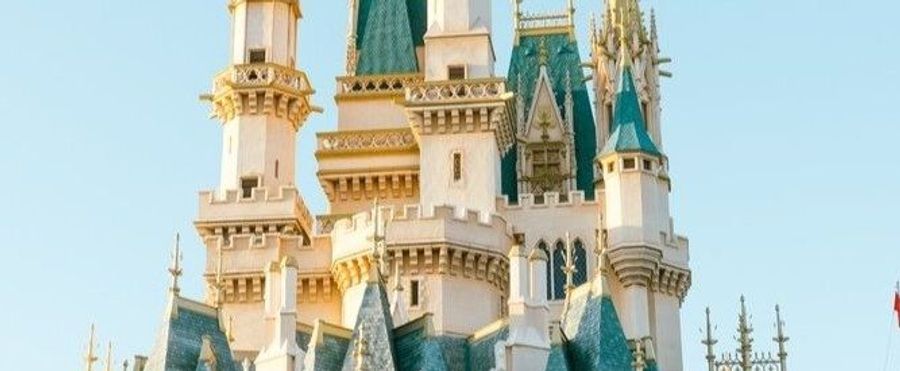
Theme parks in Japan are witnessing a striking polarization when it comes to attracting guests. With some parks seeing an impressive surge in visitor numbers while others struggle to draw crowds, it's clear the industry is experiencing notable shifts. The reasons behind this discernable polarity aren't explicitly stated but could range from changing consumer preferences, new attractions, competitive pricing strategies, to the overall quality of visitor experience.
Japan is home to some of the world's most famous theme parks, such as Tokyo Disneyland and Universal Studios Japan, which attracts millions of domestic and international tourists. Therefore, fluctuations in the theme park market are of keen interest to businesses, consumers, and investors alike. Also, these changes can significantly impact the local economies, job availability, and overall tourism sector.
Like in Japan, theme parks in the US and EU also experience peaks and troughs. Areas around major theme parks tend to prosper due to the surge in foot traffic, tourism dollars, and job opportunities. Similarly, changes in customer preferences, economic conditions, and competitive strategies also influence visitor numbers in these regions.