
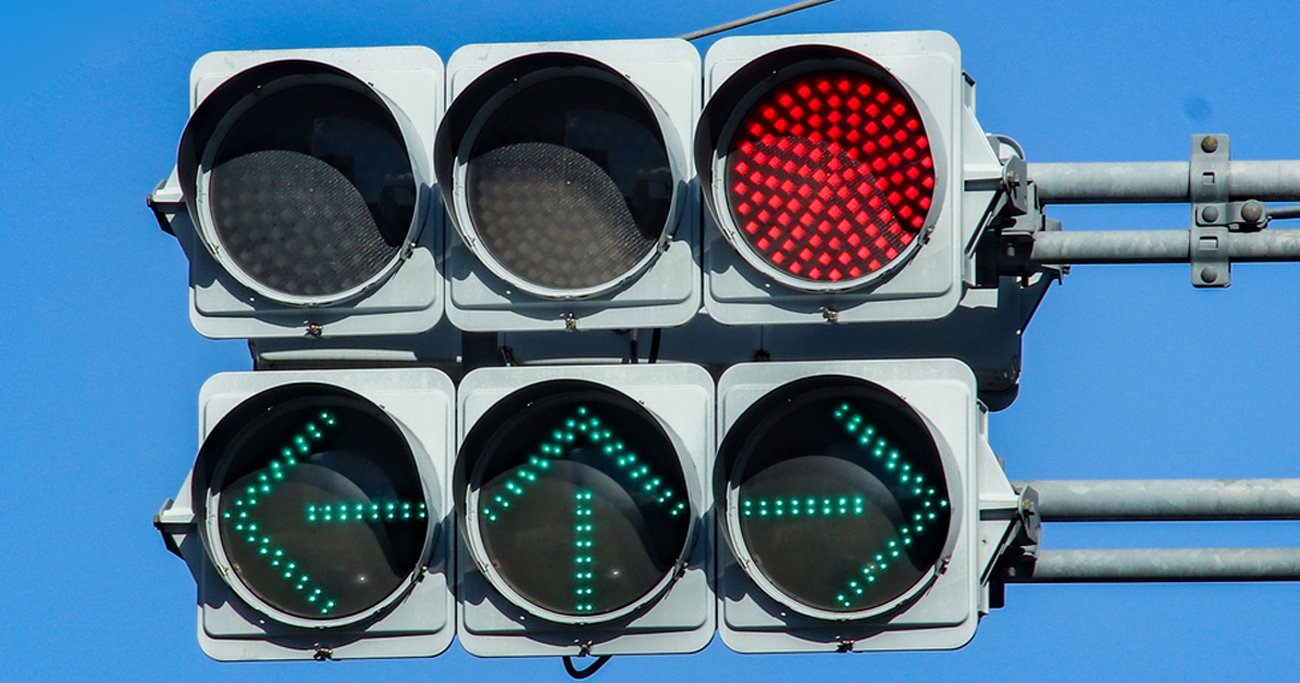
The subject of confusion and curiosity among locals and visitors in Japan is the unusual three-way arrow on red traffic lights, a concept not commonly observed in other parts of the world. The traffic signal, which accommodates zebra crossings allowing pedestrians to cross in three different directions once vehicles stop, is installed to promote efficient flow of foot traffic. The unique system has however raised questions about its safety measures, prompting authorities to review its implications and seek possible improvements.
Traffic management is a critical aspect to Japanese citizens due to the dense population, especially in urban zones. Traffic light systems are typically regarded as a symbol of Japan's detailed societal rules and regimentation. The introduction of this three-way signal system demonstrates Japan's value for efficiency and pedestrian's rights; however, due to the rising concerns about safety, citizens are demanding clarification and possible enhancements to the system.
In the US and EU, pedestrian crossings generally follow a two-way parallel system, and three-way crossing as seen in Japan is unusual. Discrepancies in traffic management highlights how different regions adapt unique solutions to deal with pedestrian movement. Any changes made to the Japanese system will likely spark further international comparison and discussions on road safety.