
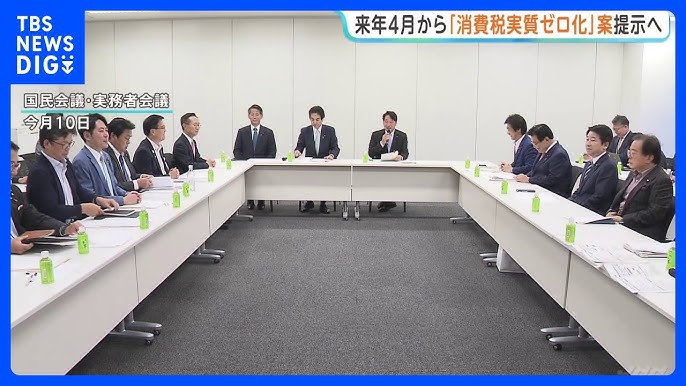
Japan's government is considering a proposal to virtually wipe out the consumption tax on basic food items, a policy initiative referred to as the "Effective Zero" Sales Tax plan. While the formal discussions are yet to occur, the idea has already sparked debates about its potential benefits and drawbacks. Advocates suggest that this could alleviate the strain on low-income families and stimulate the economy, while critics argue about the potential loss in government revenue.
With Japan’s consumption tax affecting everything consumers buy, including essential things like food, the notion of easing this particular economic burden is highly appealing to Japanese citizens. However, balancing this with the potential for lost government revenue poses a complex dilemma, highlighting the ongoing tension in Japan between economic growth and fiscal health.
In contrast to Japan, most U.S. states and several European countries, exempt groceries from sales taxes or apply a reduced rate to ease the load on lower income families. Should Japan implement this proposal, it would be moving closer to these Western models.