
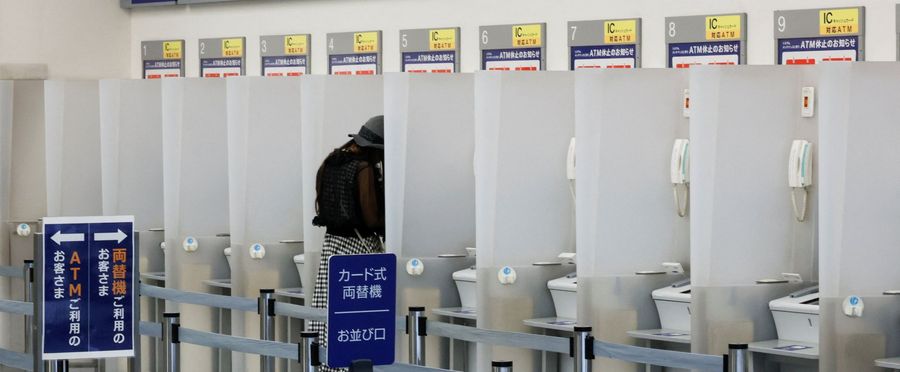
Three major banks in Japan made a surprising move by increasing the deposit interest rates to 0.4%, a considerable upgrade in the current economic climate. The change is believed to incentivize savings among the public and inject more cash into the banking system. The timing and reasons behind the shift, as well as its potential impact on both customers and the broader economy, will be thoroughly examined in this article.
In Japan, low-interest rates have been a longstanding issue, causing a lack of incentives for individual savings. This move, therefore, signifies a significant shift in the Japanese banking sector. By increasing rates, banks could encourage more deposits, which they can then lend out to stimulate economic activity.
The move contrasts with the trend in the US or EU, where interest rates are kept low, if not at near zero, a policy employed to encourage lending and investing – thereby stimulating economic activity. This divergence could indicate a different strategy being employed by Japanese banks to stimulate their economy.