
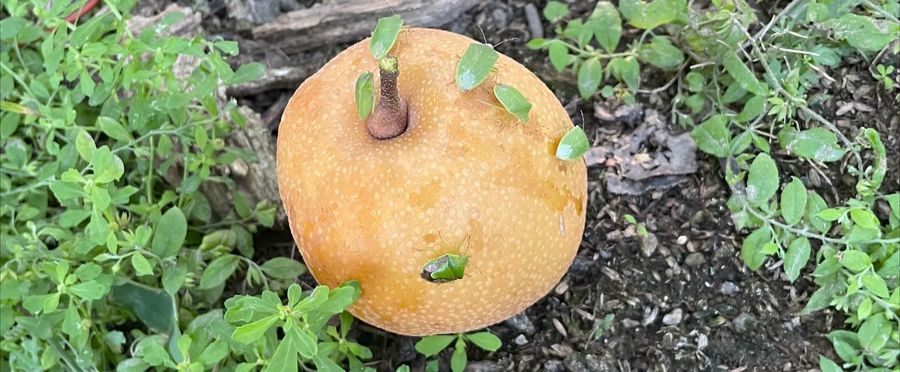
Japanese pear farmers are grappling with a serious problem; an invasion of stink bugs decimating their crops. The infestation, which has been particularly severe this season, has led to a drop in fruit yield, causing significant anxiety among these farmers. Agricultural experts in Japan are working hard to come up with effective measures to manage the situation, ranging from natural predators to pesticide use.
Agriculture is a vital part of Japan's economy and culture, and the pear is one of the country's key fruit crops. Pest infestation affecting a major crop directly impacts rural communities that rely heavily on agriculture for their livelihood. Problems like these resonate deeply with the Japanese populace, stirring citizens and government bodies to action in order to protect farmers and maintain food security.
In the US and EU too, farmers have often faced challenges from pests, including stink bugs, impacting various crops. Government agriculture departments, universities, and individual farmers typically collaborate to manage such issues. Strategies might include integrated pest management systems, pesticide developments, or biological control methods.