
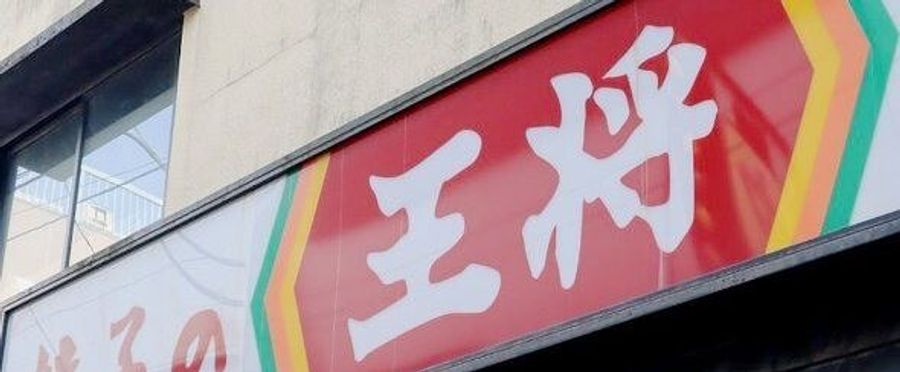
Despite a notable surge in its sales, the Japanese restaurant chain 'Gyoza no Ohsho (King of Gyoza)' has been faced with a persistent stagnation in its stock market performance. As a company largely known for its affordable and popular gyoza, the lack of financial growth raises questions about its business strategy in the face of increased profit. The situation prompts discussion on the significant dichotomy between increased sales and stagnant share prices.
In Japan, the performance of well-known domestic brands like 'Gyoza no Ohsho' is often monitored closely by consumers and investors as vital indicators of the health of the country's economy and consumer trends. In this context, the dichotomy between increased sales but stagnant stock price is intriguing and raises questions about the company's internal management and strategy.
In the US or EU, fluctuations between a company's sales performance and its stock price are not uncommon. Various factors can contribute to this divergence, such as a company's overall financial health, investor expectations, and macroeconomic factors.