
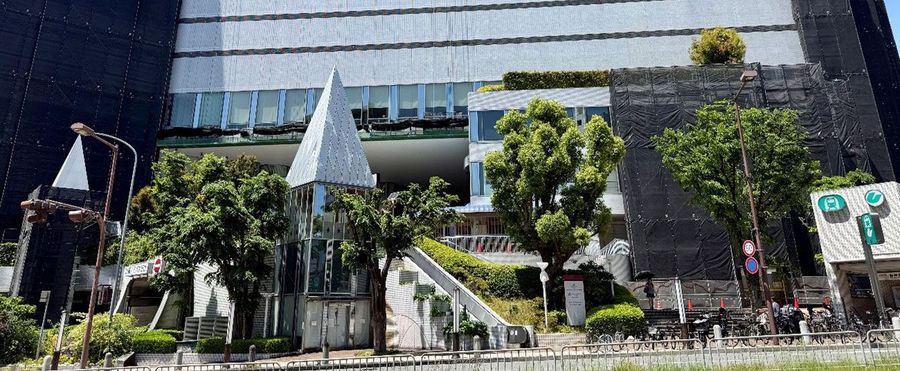
The once-bustling mega mall, directly linked to Shin-Kobe Station, appears to be on the verge of abandonment. Despite its strategic location and the affluence of its previously targeted demographic, declining foot traffic and insufficient revenue have driven a significant number of its shops to close. This economic downturn raises concerns about the future of large-scale retail experiences in Japan.
With Japan's emphasis on convenience and connected shopping experiences, having deserted mega malls speaks to more than just a dying demand for big box retail. It can be construed as a bellwether for shifting consumer habits, possibly brought on by an aging population, or a preference for online shopping and boutique stores. Japan's dedication to preserving community values may also play a part, as many view thriving local shops as integral to societal balance.
In the US and EU, similar issues are common and are typically indicative of a broader economic downturn or shift in consumer behavior. As with Japan, the decline of the mall culture signifies a shift towards e-commerce and the rise of experiential retail. The concern over lost jobs and economic instability resonates similarly across both regions.