
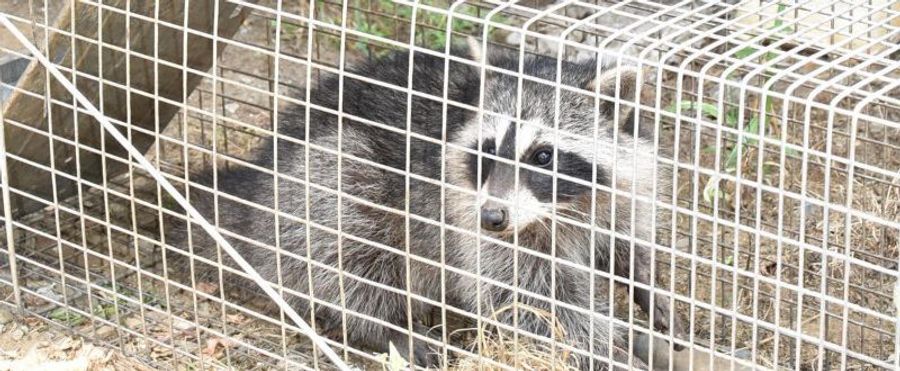
Excitement buzzes in rural Japan as local farmers witness wild raccoons having a feast in their watermelon fields. Although fascinating, this occurrence has left the farmers in dismay, having lost a significant part of their produce. The farmers, authorities and wildlife experts in the area now seek lasting solutions to mitigate the raccoon menace and recover their agricultural revenue.
The news typically underscores issues concerning the wild and human cohabitation in Japan, more specifically in rural areas. The farmers' frustration sheds light on the economic impact of such incidents. Simultaneously, the Japanese people are known for their respect and understanding toward wildlife, which adds an element of tolerance and compassion in dealing with such situations.
Similar issues are prevalent in parts of the US and EU, where wildlife occasionally wanders into human habitats and agricultural areas. In such situations, reactions vary: while some view this as a nuisance, others consider it a part of living in close proximity to nature. Solutions often involve non-harmful deterrents or relocation of wildlife, as well as changes to farming practices.