
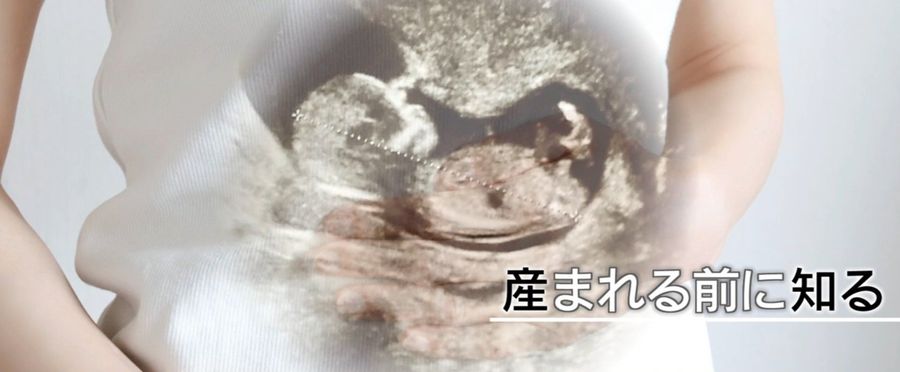
With an unprecedented surge in prenatal screenings in Japan, a significant social dilemma is unfolding. Expectant families are finding themselves caught in ethical struggles over the implications of prenatal diagnoses, which involve genetic and developmental abnormalities in unborn babies. This escalation coincides with an increasing accessibility and affordability of advanced prenatal tests, stimulating a nationwide discourse around the ethical, societal, and medical implications of these advancements.
Within Japan, the proliferation of prenatal testing has initiated debates on a series of ethical issues, reflecting societal values around motherhood, disability, and medical interventions. The Japanese health insurance covers most prenatal testing costs, contributing to its widespread use. However, critics are raising concern over potential societal pressure on mothers to undergo these tests and make potentially difficult decisions based on the results.
Many Western countries, including the US and several European nations, face similar ethical dilemmas regarding prenatal screenings. Screening availability and societal expectations vary, some countries advocate widespread screening, while others restrict access due to potential ethical issues. However, while the debate exists in these countries too, an increase accessibility isn't necessarily met with similar surges in usage.