
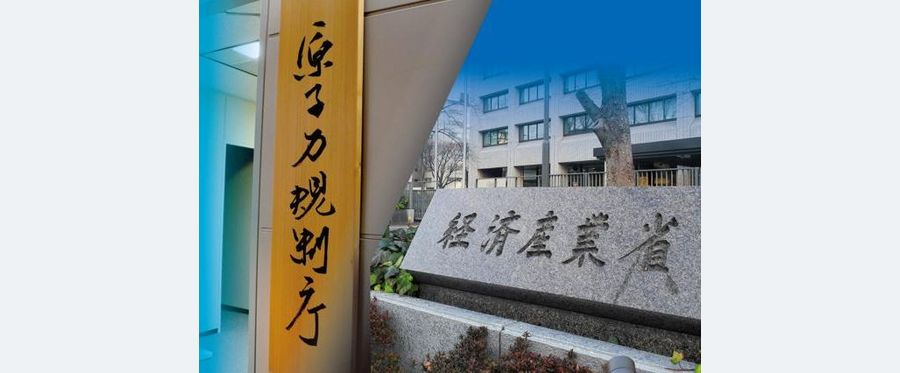
The Atomic Energy Regulation Authority in Japan is considering a relaxation of its stringent regulatory rules. The easing of these regulations, which come in the aftermath of the 2011 Fukushima nuclear disaster, implies a critical shift towards re-embracing nuclear energy as a significant power source in the country. As always, safety remains a priority, and such a move is only being considered with robust safety strategies in place.
Following the 2011 Fukushima disaster, Japan's attitudes towards nuclear energy changed dramatically. The country, once heavily reliant on nuclear energy, imposed strict regulations on its use and shifted towards alternate sources as public anxieties around nuclear power grew. This potential relaxation of the rules indicates a shift in public sentiment and highlights the increasing pressure to address energy consumption and environmental concerns.
In comparison, both the EU and US have varied approaches towards nuclear energy. The US continues to rely heavily on nuclear power, with strict but less controversial regulations, while in the EU, attitudes vary with countries like Germany opting for nuclear phase-out and France heavily depending on nuclear energy.