
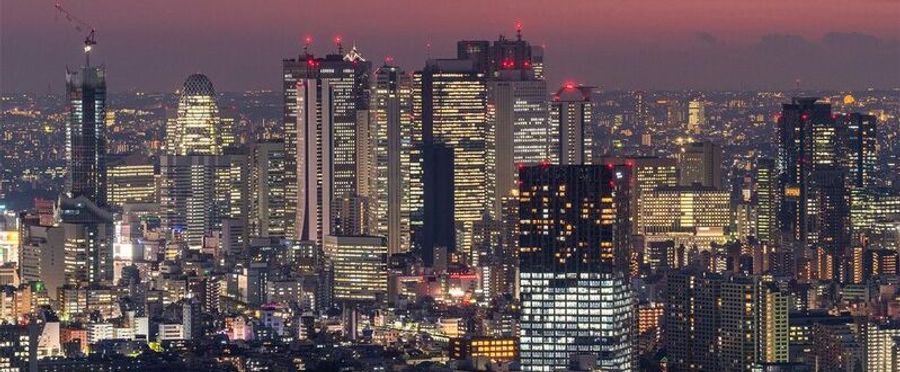
The Japanese real estate market is showing signs of overheating, raising eerie signals for the economy. Prices in urban and sub-urban areas are escalating at an exceptional rate, resulting in increased investment yet fostering concerns about a possible bubble. Analysts warn of potential economic fallout if the trend continues unchecked. Measures proposed to curb this inflation include stricter lending policies and increased government regulation.
The unbridled rise in real estate prices is an increasing concern for many in Japan, as it threatens affordable housing and creates inequality in homeownership opportunities. It's a key discussion topic among policymakers, economists, and society, as it directly affects the cost of living. The legal and social implications of the situation involve the market's self-regulation, government intervention, and the impact on homeowners.
Unlike Japan, the US and the EU have robust regulatory mechanisms in place to thwart such economic imbalances. They employ stricter lending standards, mortgage insurance obligations, and dynamic fiscal policies to discourage the formation of housing bubbles, which can lead to large-scale economic recessions - as seen in the 2008 housing bubble crisis in the US.