
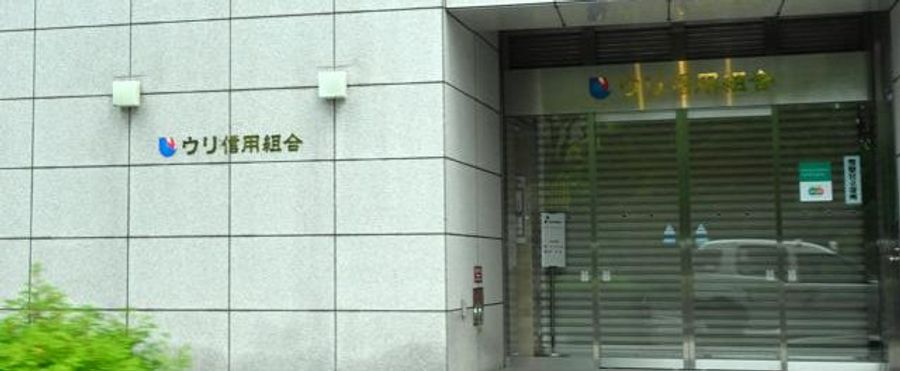
Recent allegations have surfaced involving the Uri Credit Union in Japan, casting doubt over multiple instances of possible malpractice. These presume fraudulent dealings within the organization, sparking both national concern and regulatory scrutiny. At present, the nature of these illicit activities remains undisclosed, and investigations are underway to shed light on the misconduct's extent and those responsible.
In Japan, financial malpractice significantly impacts public trust and the integrity of the overall financial sector. People value fairness and accountability, hence the potential scandal at Uri Credit Union has led to heightened public scrutiny. Japan has stringent laws regarding white-collar crimes, with severe penalties in place to dissuade individuals and organizations from engaging in such activities.
Similar to Japan, incidents of financial malfeasance in the US or EU also shock and draw public overwhelming attention. Such incidents are treated seriously, triggering thorough investigations by legal and regulatory bodies. However, contrary to Japan's compensation-driven responses, the US and EU tend to favor punitive measures such as hefty fines and imprisonment sentences.