
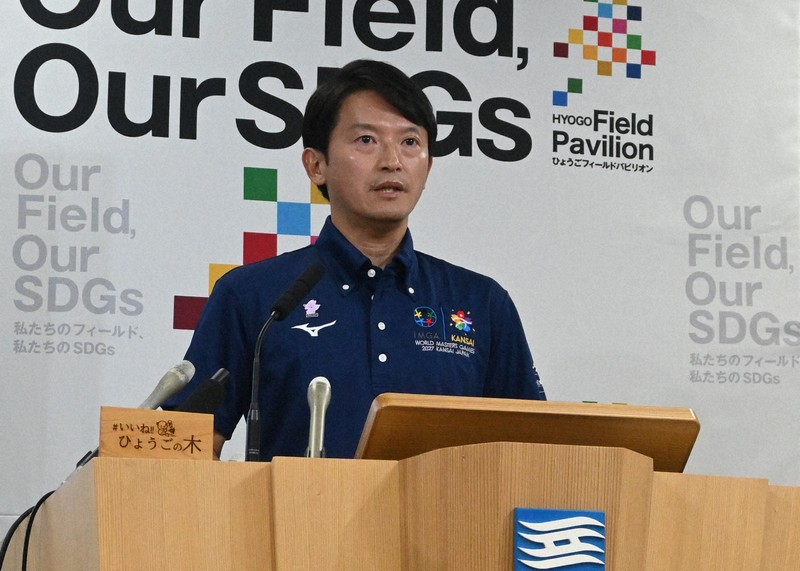
The Governor of Japan's Hyogo Prefecture has lodged a defamation lawsuit against a journalist. The case is at a relatively early stage, with the specifics of the accusations not entirely clear. However, it is well-known that defamation suits can be used as a tool to suppress criticism in Japan. The verdict could have serious implications for press freedom in the country.
In Japan, defamation law is a topic of controversy, with critics arguing it can be used to stifle free speech and criticize those in power. It's seen by many as a tool used by those in power to deal with criticism and dissent. Lawsuits like these are not uncommon in Japan, and the public tends to pay close attention to them due to the potential for impact on journalistic integrity and freedom of expression.
Unlike in the US where public figures have a harder time winning defamation cases due to the need to prove actual malice, in Japan, these lawsuits are more common and easier to win. Free speech is more constitutionally protected in the US, whereas in Japan, defamation can be easily alleged, potentially stifling press freedom and criticism.