
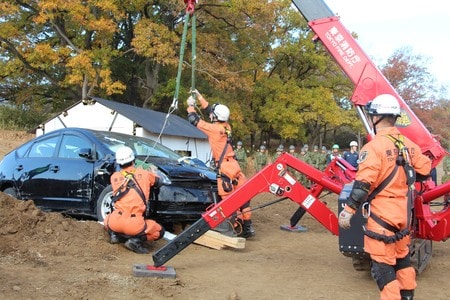
Tokyo, the bustling capital of Japan, is reassessing its earthquake response plan with hopes of halving the number of casualties in case of a "direct-hit earthquake." The efforts are a combination of government tactics, community preparedness, and building code stipulations among others. This move comes from the city officials’ continued dedication to safeguard its citizens amidst the constant seismic threats that Japan faces due to its geographical location.
Disaster management and preparedness are top-priority issues in Japan due to its location in the Pacific Ring of Fire - a region with frequent seismic and volcanic activities. Citizens often partake in regular earthquake drills, and buildings are constructed with high-level earthquake-resistant technologies. Reducing casualties during earthquakes is a shared social responsibility, and therefore receives constant attention and support from all levels of society in Japan.
While Japan has a thorough national response system, targeted regional emergency planning, and policies set in place for natural disasters, the U.S. approach can vary widely from state to state with most responsibility falling on local authorities. In the EU, stronger emphasis is placed on the Solidarity Fund to provide financial support to member countries in the aftermath of significant natural disasters.