
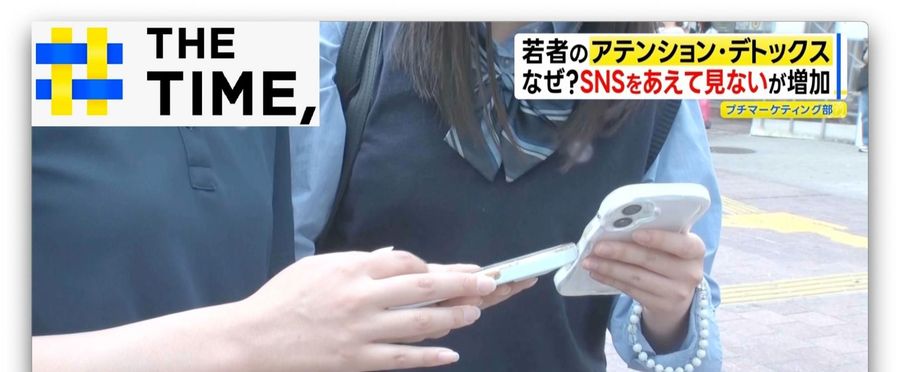
Japanese youth are increasingly gravitating towards applications that encourage less screen-time, reflecting a trend of stepping back from constant smartphone use. These 'no-screen' applications, some which operate entirely through voice or evoke a user's other senses, offer an innovative approach to reduce excessive screen exposure. A study suggests that these alternatives are gaining popularity, particularly amongst more tech-savvy audiences, as a method to achieve a healthier digital balance.
In Japan, there is a cultural norm of balancing progression with preservation. This new trend matches this paradigm as it promotes the use of advanced technology to help users revert to a less technology-centric lifestyle. Furthermore, screen-time reduction aligns with the societal focus on health and well-being, making the trend resonate stronger in the Japanese community.
In the US and EU, screen-time reduction initiatives also exist but tend to be less technology-focused. These often involve screen-free days/nights or encourage activities that don't involve devices. With Japan's hi-tech solutions to screen-time reduction, it could lead innovation in such a space.