
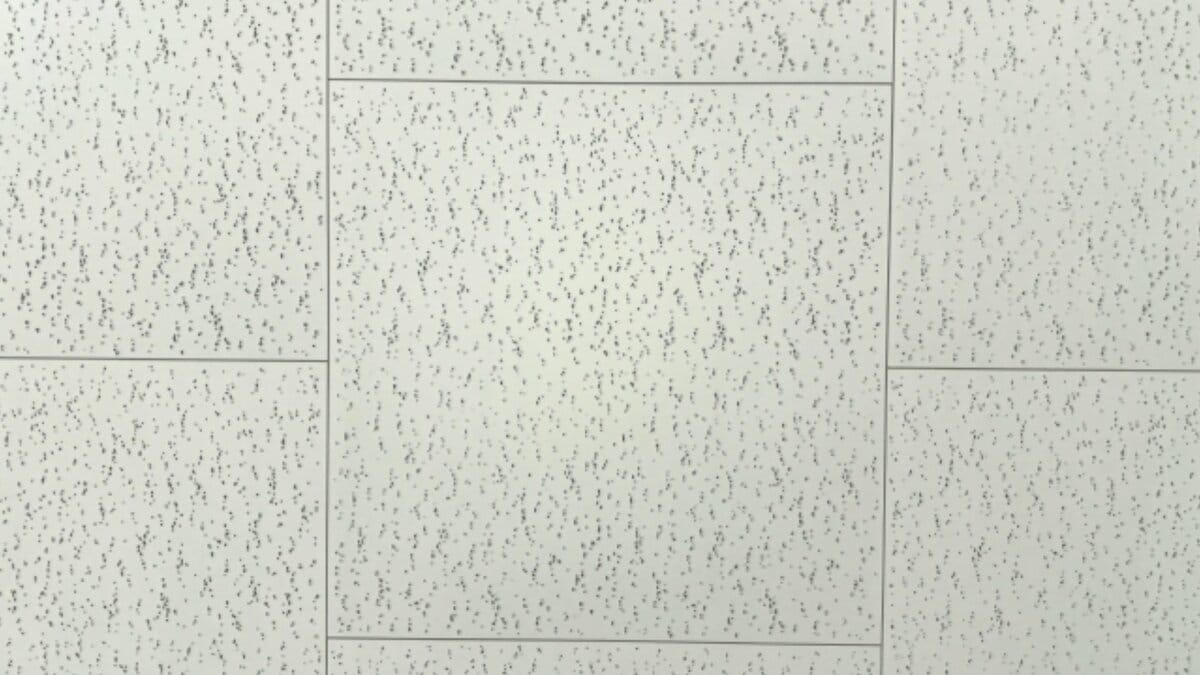
This article unravels the intrigue behind the insect-eaten-like patterns seen on Japanese ceilings. Experts in traditional architectural design provide insight into these distinct, historical models, exploring their origins and symbolism. While these designs seem unusual to the untrained eye, they hold an underlying significance deeply rooted in Japanese culture.
In Japan, care and intricate details put into architecture, especially traditional homes, reflects cultural values of aesthetic appeal, functionality, and symbology. Such ceilings are not only about design but are significant aesthetically and practically, as they contribute to the structural integrity of the dwelling and communicate various cultural symbolism. Understanding these patterns therefore points to a deeper appreciation of Japanese cultural heritage.
In the US or EU, understanding the history and cultural significance of building architecture is equally important, although the design approaches and cultural significance may differ. For instance, crown molding in European architecture can signify a building's historical period, while ceiling patterns in the US might be more about style than symbolism.