
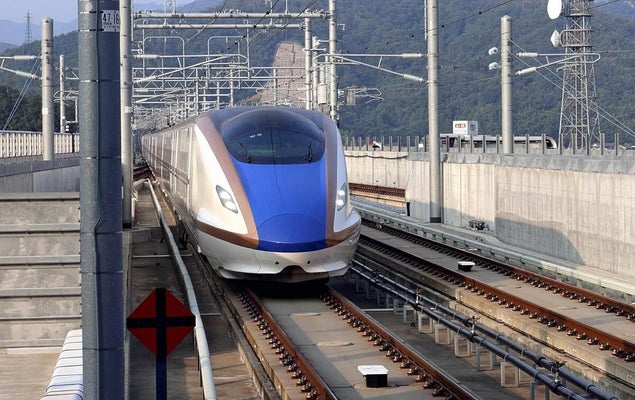
Debates over the expansion of the Hokuriku Shinkansen, Japan's high-speed railway, are currently under the spotlight, with increasing calls for transparency. The news primarily centers around who will shoulder the cost, how the extension will be implemented, and its potential benefits and drawbacks. Although many details are still under wraps, public interest and scrutiny on the project have been growing steadily.
In Japan, such large-scale infrastructure projects often spark extensive public debates. The Hokuriku Shinkansen expansion discussion touches the heart of the Japanese public's desire for robust and environmentally-friendly transportation solutions. While there is substantial support, some concern arises over its economic feasibility, environmental impact, and regional development implications.
Similar debates would happen in the US and EU over large infrastructure projects. Factors such as cost-effectiveness, public demand, environmental concerns, and public transparency often dominate the discourse. Notably, such projects are typically followed with meticulous scrutiny, and public involvement is seen as an essential part of successful policy and project implementations.