
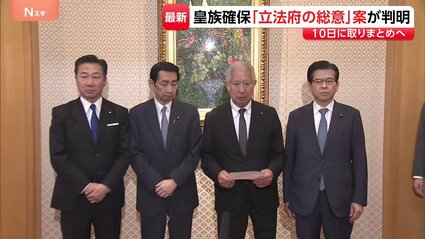
The Japanese legislature has collectively agreed on measures to ensure the continuation of the imperial family. The consensus arrived amidst concerns regarding the dwindling number of male heirs eligible for the Chrysanthemum Throne. Specific details regarding the agreed measures remain undisclosed, pending official announcement. The issue has seen significant public discussion, as the Japanese constitution currently only allows for male succession.
In Japan, the survival of the Imperial family holds significant cultural and symbolic importance. The recent development indicates a compromise between tradition and modern realities to secure the imperial succession. The low number of male heirs has sparked debates about possible amendments to the Succession Law, including allowing females and male descendants through the female line to ascend to the throne.
Unlike Japan, monarchies in the US or EU generally allow both males and females to ascend to the throne. For instance, Sweden amended its laws in 1980 to establish absolute primogeniture, allowing the eldest child to inherit the throne regardless of gender. Japan's reluctance to make similar changes reflects its traditional value system and societal norms.