
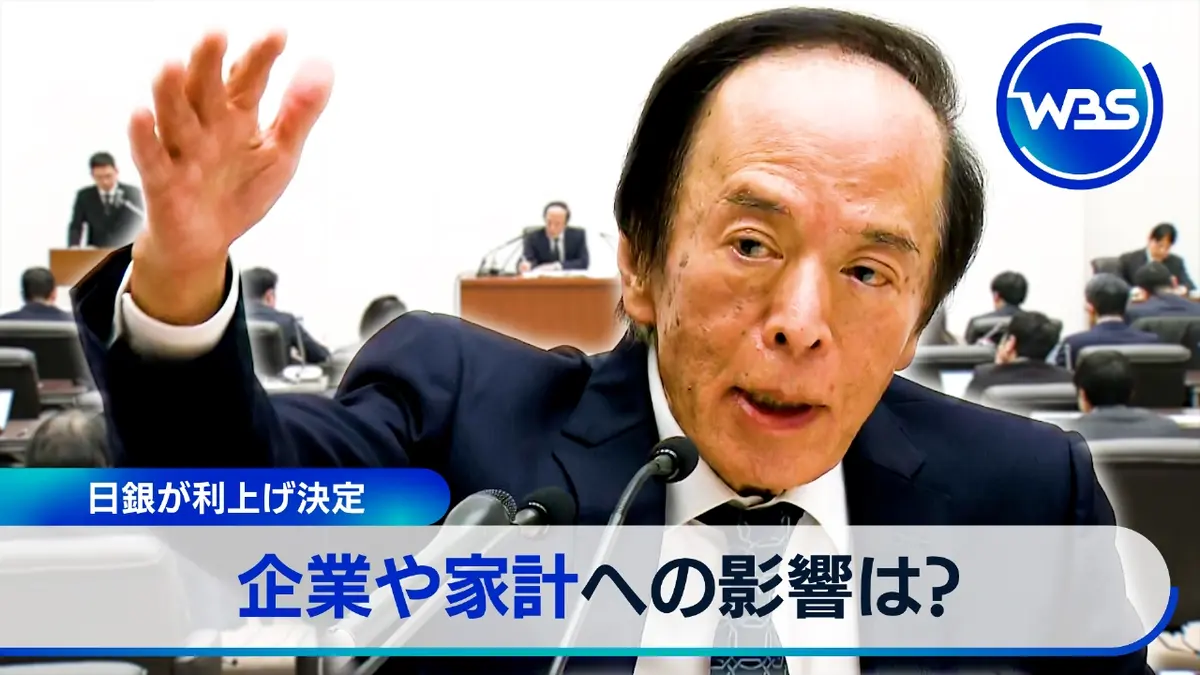
The Bank of Japan has strategized a rise in interest rates to 1%. This step, certain to have significant implications for the country's family budgets, is anticipated to take effect soon. The move is part of the government's active duty to balance the ongoing economic crisis, although the ultimate impact on consumers' livelihood remains a subject of concern and speculation.
In the context of Japan, hikes in interest rates are a major concern due to their significant influence on household spending and savings. A higher interest rate means the cost to borrow increases, and this can potentially slow down spending and economic activity, particularly in consumer sectors. However, these decisions are often seen as a necessary evil to control inflation and stabilize the economy.
Compared to the U.S. or EU, the approach to interest rates differs. While the U.S Federal Reserve or the European Central Bank also uses interest rates as a tool to control inflation and stimulate economic growth, they usually are more conservative in their rate adjustments to prevent sudden shocks to the economy.