
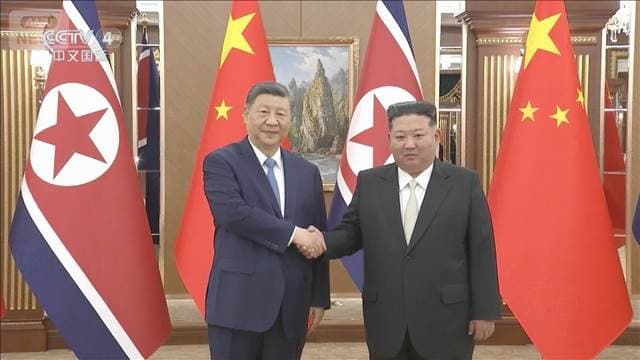
In a recent summit between the leaders of China and North Korea, the key issue of North Korean denuclearization was not addressed. This move represents a significant divergence from previous dialogue between the nations, provoking discussion and speculation within the international community. The absence of talks related to denuclearization may possibly hint at shifts in diplomatic strategies between the two countries.
This development contributes to heightened anxieties in Japan with regards to its relationship with North Korea and China. As a neighboring country within missile range, Japan is significantly affected by North Korea's nuclear programs. Japan's defensive strategy is heavily impacted by the outcomes of such diplomatic talks. Therefore, the evasion of the topic increases uncertainty and promotes public concerns.
In the US or EU, direct dialogues and meetings are usually prerequisite before discussing sensitive topics like denuclearization. The mere fact of holding a summit without any substantive discussions on key issues, like denuclearization, contrasts with the thoroughness seen in Western diplomacy. In both regions, diplomatic ties are sometimes fraught but there lies an underlying assumption that salient issues will not be shirked in high-level talks.