
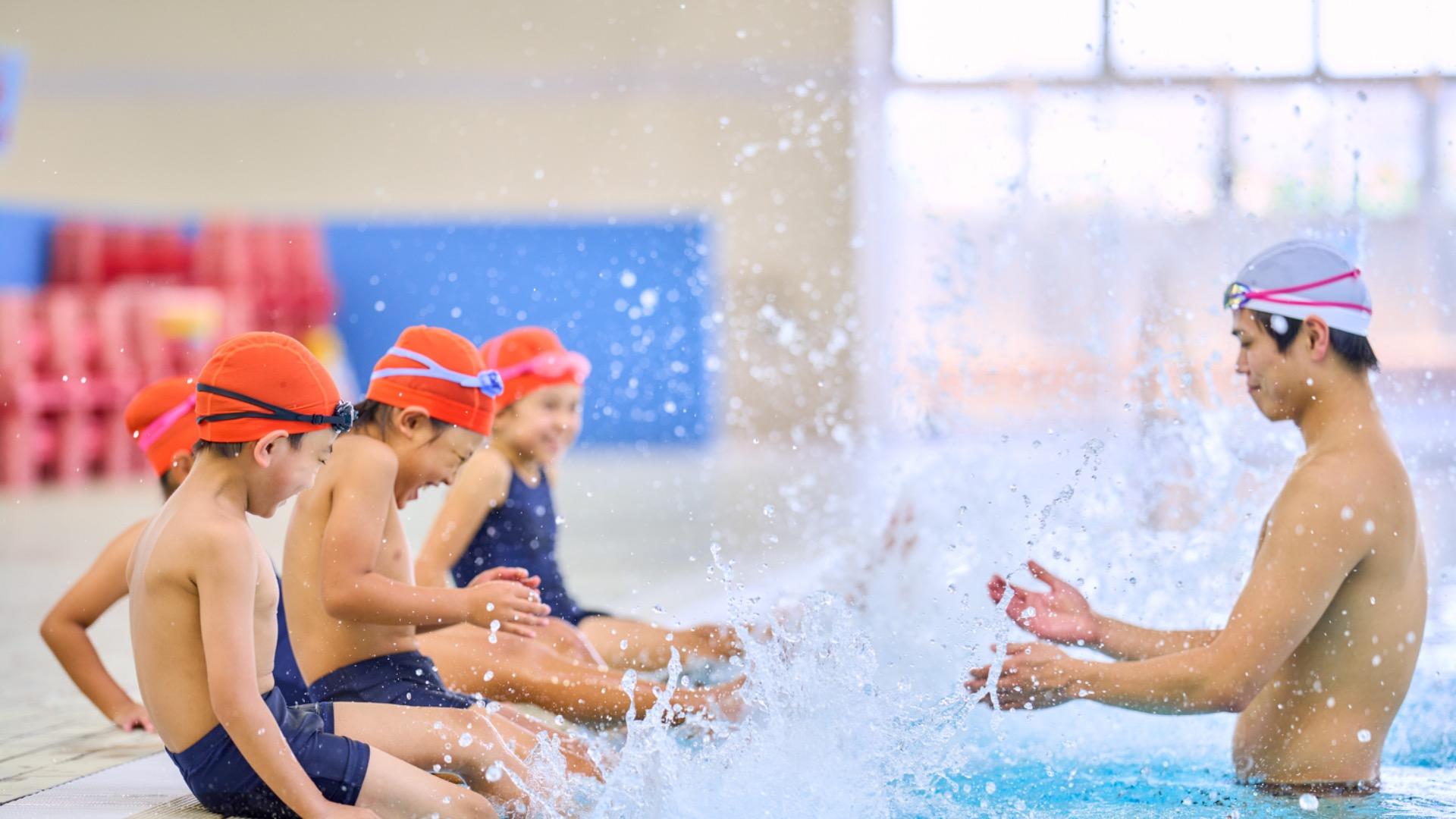
In Japan, a recent move to abolish compulsory swimming classes in schools has sparked controversy. The article unpacks this decision, its background, and its potential impacts. Changes are indicated to begin next academic year, primarily affecting elementary through high school institutions. Reasons for this shift remain complex, with concerns over health risks, logistics, and educational priorities being cited. Yet, many criticize the move due to the potential risks to children's safety and health.
Learning to swim in school is seen as part of an essential life skills education in Japan, a country surrounded by water. Public safety concerns, children's health and wellness as well as education quality are all potent societal values implicated in the decision-making process. The issue is contentious, with debates around balancing academic achievement and physical education, and investing in the necessary resources to ensure safe and effective swimming programs.
In the United States or the European Union, swimming is also often included in school curricula, but the requirement varies by region. Health and safety regulations around swimming pools and practices might be stricter, and there's also a strong emphasis on traditionally academic subjects. There is an ongoing debate about the balance between academic and physical education, but the abolition of swimming classes is largely unheard of.