
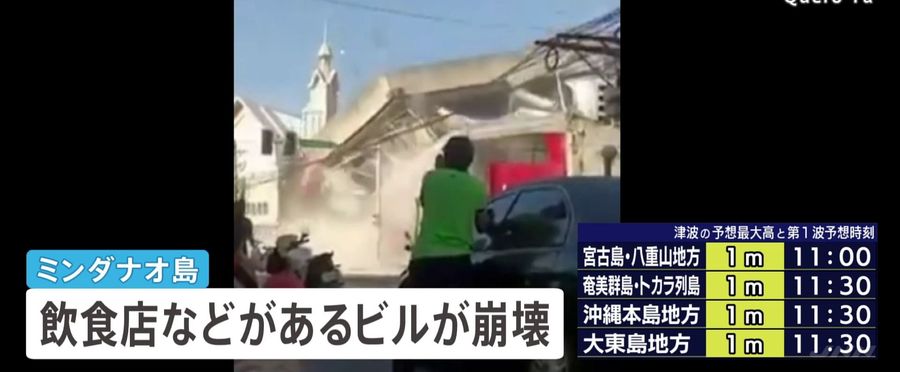
A major earthquake of magnitude 8.2 has resulted in significant structural damage across Japan, including the collapse of several buildings, as highlighted by recently released footage. The regions worst affected are yet to be confirmed as disaster response teams continue their relentless work. No reporting has yet been made about any potential casualties. The quake's significant magnitude signifies one of the most considerable seismic events to hit the nation in recent history.
Japan is situated in one of the world's most earthquake-prone areas. The population is therefore generally well-prepared and resilient, with strong emphasis on rigorous building codes and regular disaster drills. In situations involving natural disasters such as this, the primary concerns are the immediate safety of citizens, the integrity of infrastructure, and a rapid response to rescue and recovery efforts.
In regions of the US and EU that are prone to earthquakes, similar processes are in place including stringent regulations for building construction and comprehensive disaster response systems. However, the frequency and magnitude of seismic events in Japan result in a societal understanding and preparedness that may be more ingrained than in most US and EU locations.