
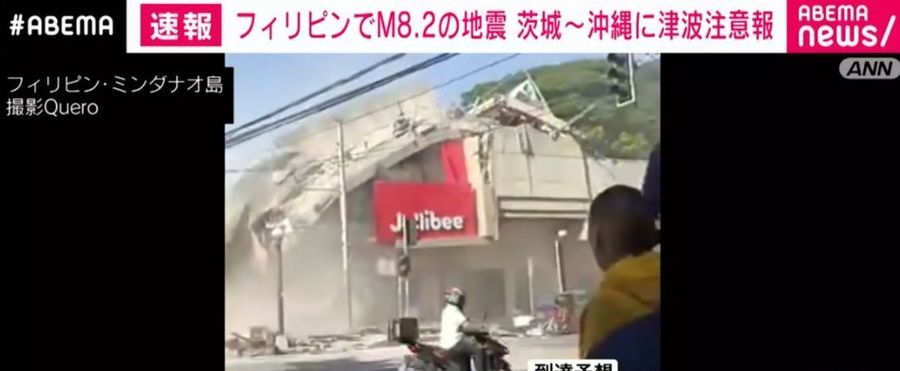
A powerful earthquake of magnitude 8.2 on the Richter scale has hit Japan, resulting in damage to structures including the collapse of buildings. The seismic activity was quickly followed by a wave of structure collapses, highlighting the vulnerability of some constructions to natural disasters. The affected areas are currently being assessed for both casualties and structural damage. The local authorities and disaster management teams have been mobilized for immediate rescue operations and strategic planning for rehabilitation is underway.
Earthquakes in Japan are tragically a part of life due to its geographic location in the Pacific Ring of Fire. Although modern Japanese buildings are equipped with world-leading earthquake-resistant designs, older buildings often lack these protections. Typically, the Japanese society reacts with resilience and solidarity in response to such events with an understanding of the collective responsibility to contribute towards recovery efforts. Legal apparatus are also swiftly put into place with prompt disaster management and safety regulations reviewed and enacted post-disasters.
Compared to the US or EU, Japan experiences earthquakes more frequently, hence, its disaster response system is notably efficient and swift. In contrast, US regions prone to earthquakes, such as California, also have stringent building codes, but the frequency of such seismic events is considerably lower. EU countries, especially those in the Mediterranean seismic belt, also experience earthquakes, but again, less frequently and usually with lower magnitudes than Japan.