
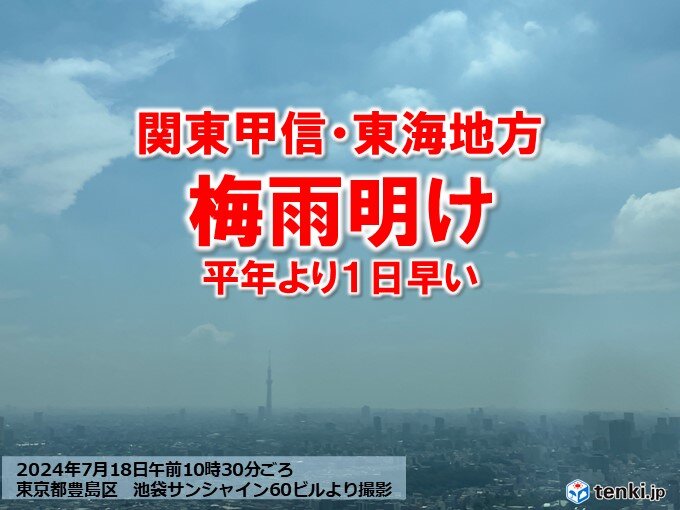
The rainy season, locally known as "Tsuyu," has officially started in the regions of Kanto-Koshin and Tokai in Japan, as announced by the country's meteorological agency. This annual phenomenon typically occurs between early June to mid-July, characterized by damp and wet weather. The commencement of this season brings changes in people's daily routines, affecting agriculture, commutes, and outdoor activities in these regions.
Rainy seasons are an inherent part of Japan's climate and significantly influence Japanese lifestyle, agriculture, as well as facets of its culture. The consistent rain rejuvenates agriculture, marking an important period for rice cultivation. Citizens often navigate with clear vinyl umbrellas or wear traditional raincoats called 'yō'. The seasonal weather impacts societal schedules, from schools planning around possible rain-induced disruptions to households adjusting their daily routines accordingly.
Unlike Japan, the US and EU do not typically have a defined rainy season in most regions. Weather patterns vary drastically across different parts of these nations, with some areas experiencing more rain in the form of specific seasonal storms, such as hurricanes in the US's Atlantic regions or heavy winter rains in parts of South Europe. However, the impact on daily life, agriculture, and planning in areas with heavy seasonal rain would be similar.