
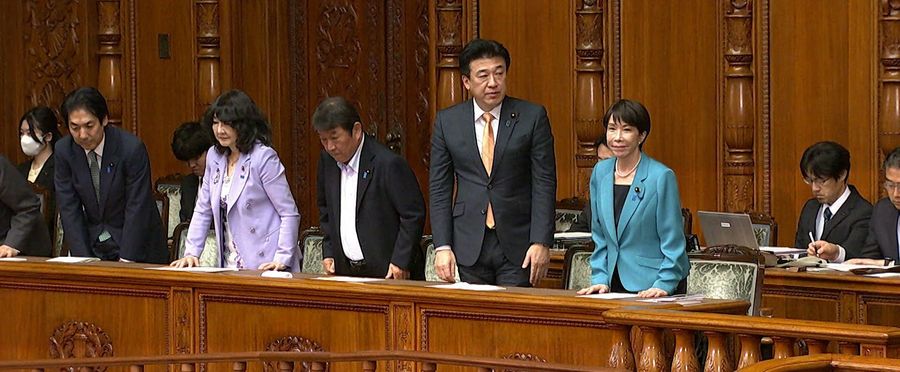
The Japanese government has passed a supplementary budget for this fiscal year exceeding 3 trillion yen. The decision was made with an intention to stimulate an economy hit by the COVID-19 pandemic. The areas where the funds will be spent include healthcare, business support, and infrastructure. The passing of such a robust budget indicates Japan’s commitment to overcoming economic challenges and anticipates a substantial economic recovery.
In Japan, such a large supplementary budget signifies a major government action. People attentively follow what specific measures are included in the budget, as this not only reflects the government's financial policies but also their long- and short-term plans concerning critical societal elements. Values involved include the social responsibility of the government to provide support during difficult times and the importance of fiscal measures in doing so.
Such a process is somewhat comparable to stimulus packages approved in the US or EU. Significant attention is given to the amount and allocation of the funds, with debates and conflicting opinions often arising over sector prioritization.