
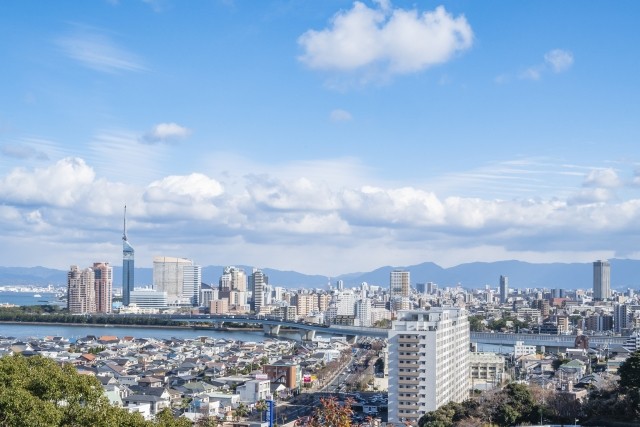
In accordance with Japan's plan to develop a secondary political hub, the City of Fukuoka is showing increased activity and potential to fulfill this role. The concept, conceived as a method of decongestion and decentralization, aims to distribute the administrative, economic, and political responsibilities currently focused in Tokyo. With thriving economic growth and strategic location, Fukuoka's advancement in this direction offers promising movement toward a more balanced urban landscape in Japan.
Geographically, Japan is characterized by a heavy concentration in Tokyo, with a significant portion of the country's population, businesses and governmental bodies operating from the densely-packed capital. This has led to many issues including overpopulation and related economic and social challenges. The possibility of a "sub-capital" would distribute these pressures and is therefore, of great significance to Japanese society.
This bid is akin to the distribution of power in countries like Germany, where Berlin holds political power while cities like Frankfurt serve as economic hubs. This is a step toward decentralization that the U.S. and many EU nations already practice, creating a balance that prevents any single city from becoming overburdened.