
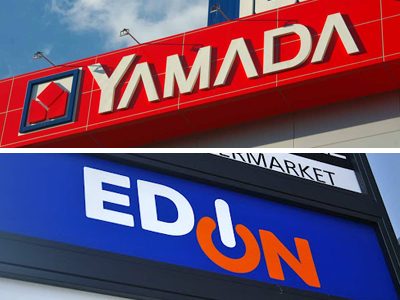
Major Japanese retail giants Yamada HD and EDION have reached an agreement for a strategic management merger aiming to revitalize their market presence. The deal will witness the two companies integrating their resources, betting on driving significant growth in an increasingly competitive retail space. While the specifics of the deal are yet to be disclosed, the move is expected to have substantial effects on the retail ecosystem within Japan and potentially beyond.
In Japan, merging between retail giants directly affects local economy and the business landscape. Japanese consumers care about the effects such a consolidation may have on the price and availability of products. Legally, such deals must be approved by business regulators to ensure fair competition and consumer protection.
Similar to the US or EU, mergers between large corporations are common yet significant in the Japanese market. This strategy is often pursued to enhance global competitiveness, widen product offerings and consolidate resources. However, unlike the West where anti-trust regulations are stringent, Japan's business environment might be perceived as more accommodating for large-scale mergers signaling a robust orientation to foster home-grown global powerhouses.