
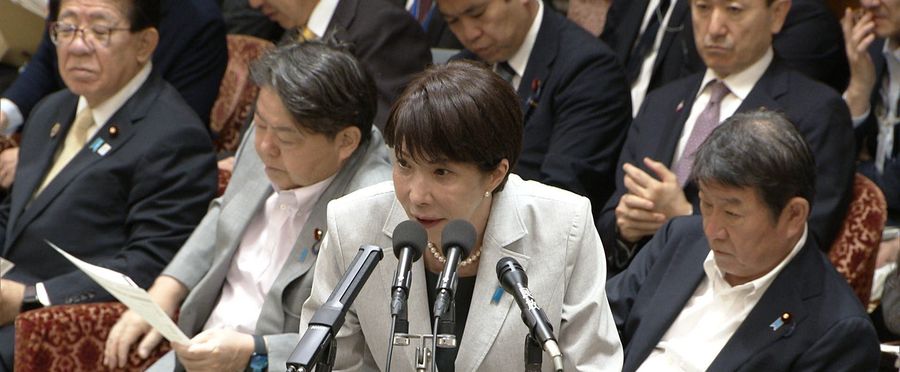
Japan is experiencing a historic low in the number of births, a situation the Prime Minister has described as "very severe". This demographic issue, arising due to a variety of factors including economic insecurity and changing social values, is posing significant challenges for the country's future. The government is seeking solutions to promote family building and support families with children. The crisis has ignited national discussions on education policy, employment practices, and the role of women in Japanese society.
In Japan, this news has alarmed the public and policymakers alike due to the long-term implications on Japan's aging society, workforce, and economy. The issue is not only about population decline but also about the supporting mechanisms for young families, gender equality, and how to harmonize work and family life. The phenomenon has spurred debates and initiatives around child support, gender equality, flexible work hours, and strengthening the social security system.
In contrast, the U.S. and EU are dealing with similar demographic issues but with different context and solutions. While they also face an aging population, they have more diversified mechanisms to address the issue. These include policies supporting immigration, family-friendly workplace policies, and subsidized childcare for working parents. However, these countries also struggle in balancing economic growth and welfare provision.