
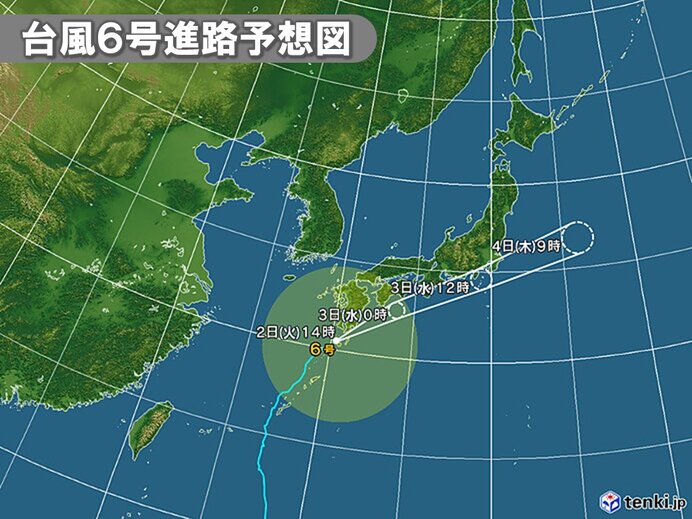
Typhoon No.6 continues to affect Japan's Kanto region, with the storm's peak expected to last until the evening. Residents are being urged to take additional safety precautions, and numerous public facilities and transport services may be temporarily unavailable. As the typhoon proceeds, local authorities and the meteorological agency are monitoring the situation closely and providing timely updates on weather conditions.
In Japan, typhoons are a frequent occurrence during certain times of the year. People are generally well-prepared, with regular drills and well-established evacuation procedures in place. The impact on daily life, such as business and school closures, typically receives broad media coverage. Japanese law also emphasizes the responsibility of authorities to provide timely and accurate information to the public about such disasters.
Unlike Japan, the EU and US experience diverse types of severe weather, such as hurricanes and snowstorms. Public response systems are generally efficient, however, the level of preparedness varies significantly depending on the region. Japan's advanced disaster management practices, particularly in terms of typhoon response, are often regarded as comparative models.