
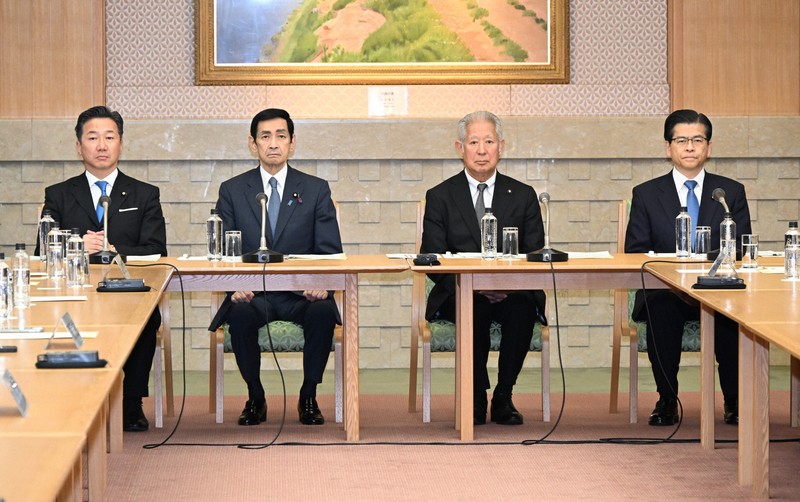
The Japanese government is considering new proposals that would allow the adoption of individuals aged 15 and above into the Imperial family. This move is part of an ongoing attempt to ensure the continuation of the Imperial line, in light of the current predicament of having a limited number of male lineage members. The move has sparked discussions and debates about the future of the Japanese monarchy and the societal values attached to it.
In Japan, the survival of the Imperial line is a topic of significant importance. The family stands as the oldest hereditary monarchy in the world, and its continuity is closely tied to Japan's image and national pride. However, the Imperial Household Law currently restricts the inheritance of the chrysanthemum throne to males, thus decreasing lineage holders due to the fewer numbers of male members.
While the situation is unique to Japan in terms of the monarchy, discussions about royal succession have taken place elsewhere. In the EU, for example, Sweden changed its rules to allow gender-neutral succession in 1980, breaking with the male-preference primogeniture. The US, being a country without a monarchy, does not face such issues.