
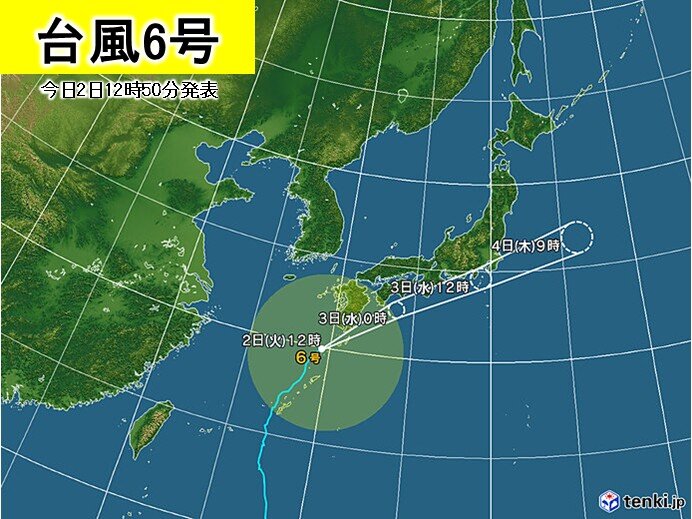
Typhoon No. 6 is currently swamping the regions of Tokai and Kanto, including Tokyo, in Japan, reaching its peak intensity. The storm, although seasonal, has led to heightened precipitation causing worries of flooding and landslides. Local authorities are urging residents to take necessary precautions, with advisories in place for possible evacuations if the situation escalates. The impacts on transportation and daily life are apparent, although no detrimental damages or casualties have been reported so far.
Typhoons are a common annual occurrence in Japan, particularly during the summer months. With a well-prepared nationwide alert system in place, people highly value the updates regarding the storms. Legal values at stake include the responsibility of local governments and agencies to implement preventative measures, provide accurate information, and ensure public safety. The social interests revolve around community resilience, preparation, and response to natural disasters.
Much like how hurricanes are handled in the US, typhoons in Japan are met with careful monitoring and planning, wide-spread alerts, and orderly evacuation plans to ensure public safety. However, unlike the US, Japan's system runs on an extremely localized level, wherein even tiny communities have set measures and drills due to the country's higher rate of such natural occurrences.