
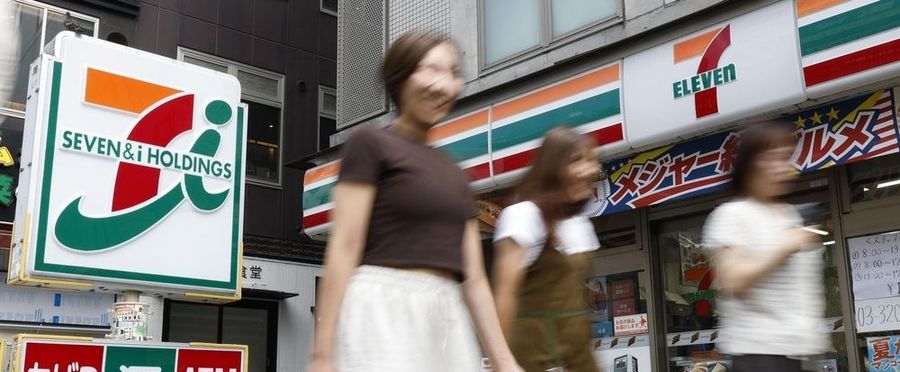
Japanese convenience store giant, Seven-Eleven, is facing major backlash over allegations of overcharging at its 20,000 nationwide stores. The issue has sparked nationwide discussions on consumer rights and business ethics. Although the exact timeline of when these apparent overcharges occurred is unclear, the controversy has put Seven-Eleven, a symbolic figure in Japan's daily living, under intense scrutiny from regulators and customers alike.
Such an issue is taken extremely seriously in Japan, where there is a high value placed on consumer rights and adherence to declared prices. Companies are expected to operate with high levels of transparency and honesty, with violations leading to immense public backlash and potential legal repercussions. This incident is particularly significant given the widespread use and reliance on convenience stores like Seven-Eleven in Japan's fast-paced urban lifestyle.
In the US or EU, overcharging is also a serious offence often leading to lawsuits, public outrage, and hefty penalties. The issue might also prompt investigations and push for stricter regulations. Similar to Japan, trust and transparency between customer and company play crucial roles in Western countries too.