
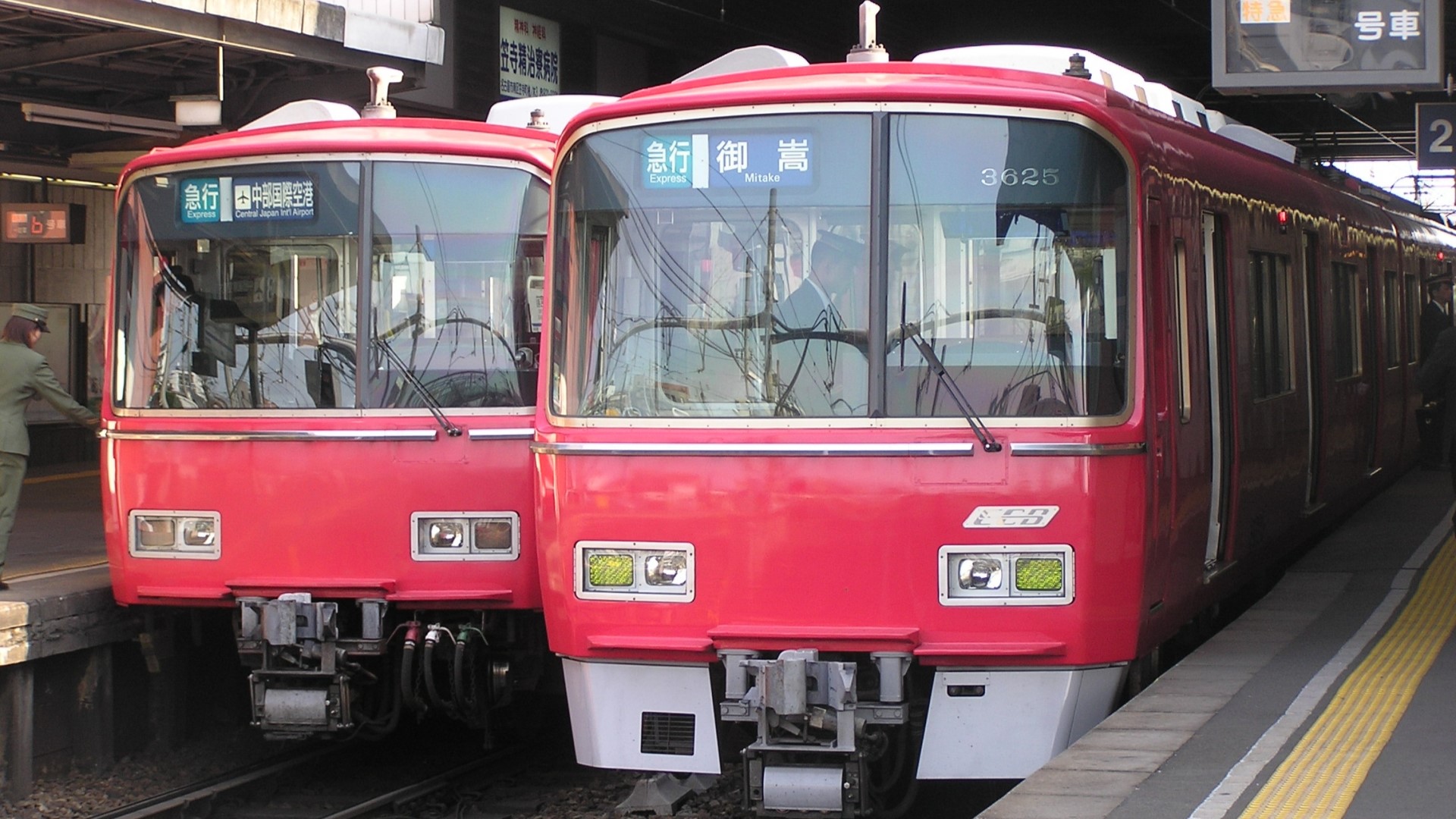
Recently, major controversy surrounds the decision to shut down a busy section - between Shinkani and Mitake - of the widely used Meitetsu Hirogami railway line in Japan. While the reasons behind the decision have yet to be elucidated, the significant impact on the daily commute of many citizens has sparked debate. The public struggles to balance between the potential efficiency improvement for the railway company and the inconvenience and possible strain this decision could place on the local communities served by this line.
Japan’s public transportation system, especially its railway network, plays a crucial role in Japanese society. It is recognized as one of the most efficient in the world, connecting rural to urban areas, facilitating easy commutes for residents, and contributing to the country's economic productivity. The potential shutdown of a railway line is therefore not taken lightly and can quickly induce public concern over possible disruptions to these beneficial connections.
In the US or EU, decisions regarding public transportation, such as shutting down a specific line, are usually met with similar public concern, debates and occasionally protests, as it affects numerous people's daily routines and potentially isolates certain regions. However, the impact might be less severe as alternatives such as cars or buses are more readily available, something not as common in Japan's densely-populated or remote areas.